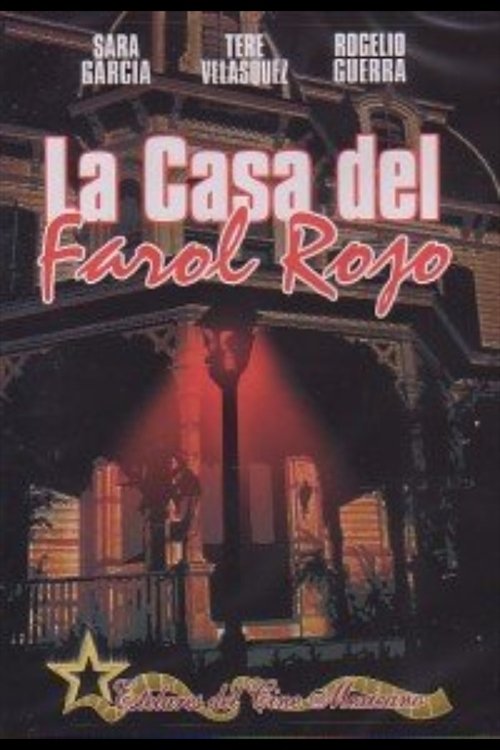
La Casa del Farol Rojo
1971
No user ratings available yet
Representation score: 3.6 out of 10

Representation Score
Fair
1987
Director
Alfredo B. Crevenna
Runtime
86 minutes
Average Rating
No ratings yetNew Showbiz Analysis
Las Limpias stands out in Mexican cinema by potentially disrupting mainstream clichés. Its strength lies in the casting of Lyn May, which signals a narrative outside traditional frameworks. While the film provides a platform for diverse performers and non-traditional gender identities, the lack of specific plot details makes it hard to assess its social critique fully. It succeeds in offering a localized, non-Anglo-Saxon perspective, even if the nuances of its progressive values are not fully detailed.
Category Breakdown
Lyn May's casting highlights non-traditional gender expressions, suggesting a narrative that challenges typical gender norms and engages with queer aesthetics.
The film likely focuses on female or non-binary perspectives, departing from traditional patriarchal roles, though specific ways it challenges these roles remain unconfirmed.
With its Mexican cinematic roots, the film centers on non-Anglo-Saxon identities, offering a culturally authentic perspective that challenges Western-centric media norms.
The film likely explores localized Mexican social structures, using subjective morality to critique systemic pressures within its cultural context.
There is no verifiable evidence regarding the portrayal of physical or neurodivergent characters in the available metadata.
Present on Screen
Limited or Absent
1971

2001
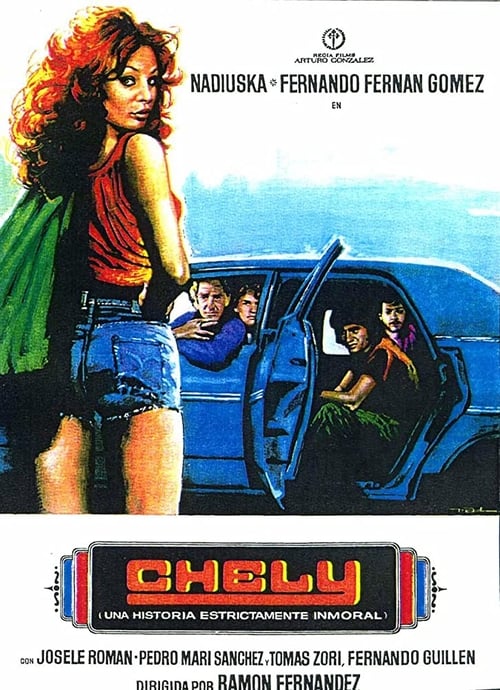
1977
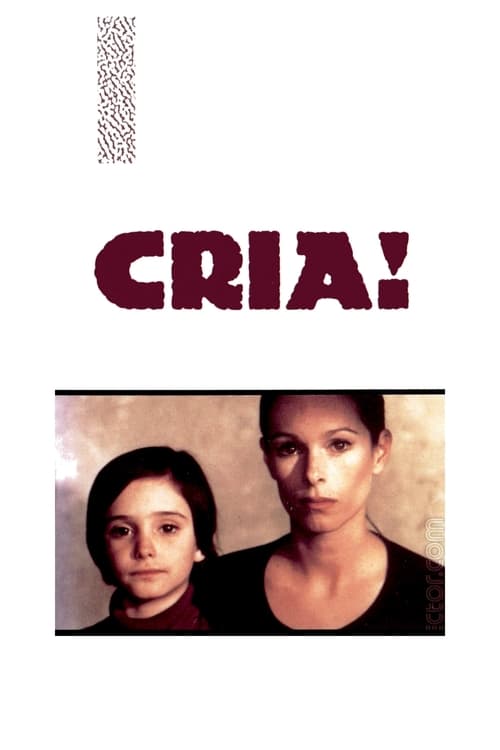
1976

1977
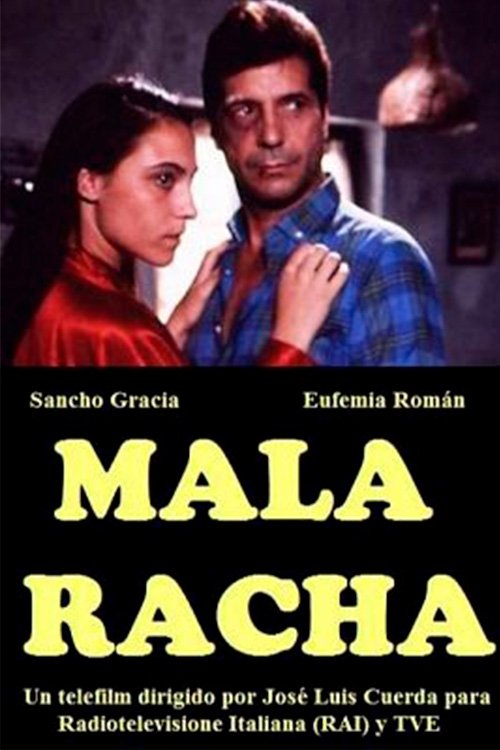
1977
1991
1974
No reviews yet. Be the first to share your thoughts on this movie!
Use the rating form above to leave a star rating and optional review.