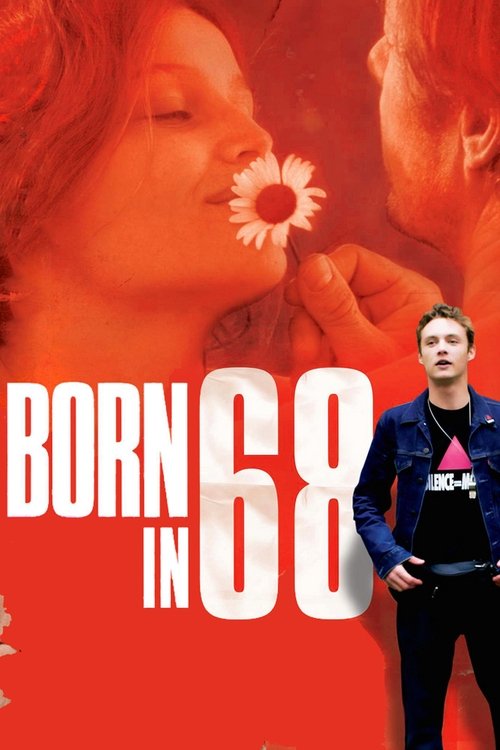
Born in 68
2008
No user ratings available yet
Representation score: 5.4 out of 10

Representation Score
Good
1980
Director
Maryse Sistach
Runtime
36 minutes
Average Rating
No ratings yetNew Showbiz Analysis
Maryse Sistach’s direction brings a commitment to social realism and diverse perspectives. By framing the 1968 student movement as a catalyst for personal awakening, the film engages deeply with systemic critique and the deconstruction of authority. The film succeeds in centering regional ability to act and ethnic identity by focusing on the Mexican political landscape. This approach challenges Western-centric norms and prioritizes the social consciousness of its characters. However, the narrative lacks specific evidence regarding LGBTQ+ identities or disability representation. While the political context suggests a departure from conservative norms, certain identity-specific details remain unverified.
Category Breakdown
The film touches on romantic awakening during a time of political change. Although the era's liberation movements hint at possible LGBTQ themes, there are no explicit confirmations of non-straight character arcs.
By focusing on young people involved in the 1968 movement, the film disrupts traditional domestic roles. Female characters may gain ability to act through political involvement rather than staying passive in a patriarchal system.
Set during the Mexican student movement, the film emphasizes perspectives outside Anglo-Saxon cultures. It centers the lived experiences of local populations resisting dominant power structures.
The narrative critiques state institutions through the lens of student activism. It prioritizes collective social justice and political rebellion over individual, traditional morality.
There is no documented evidence regarding the portrayal of physical or neurodivergent disabilities in this work.
Present on Screen
Limited or Absent
Official Synopsis
It tells the story of two young people who, in the context of the 1968 student movement, awaken to love life and social conscience.
2008

1977

1971
1964

1980

1970

1969

1991
No reviews yet. Be the first to share your thoughts on this movie!
Use the rating form above to leave a star rating and optional review.