A Life Interrupted
2007
No user ratings available yet
Representation score: 7.5 out of 10
Representation Score
Excellent
2023
Director
Michelle Danner
Runtime
127 minutes
Average Rating
No ratings yetNew Showbiz Analysis
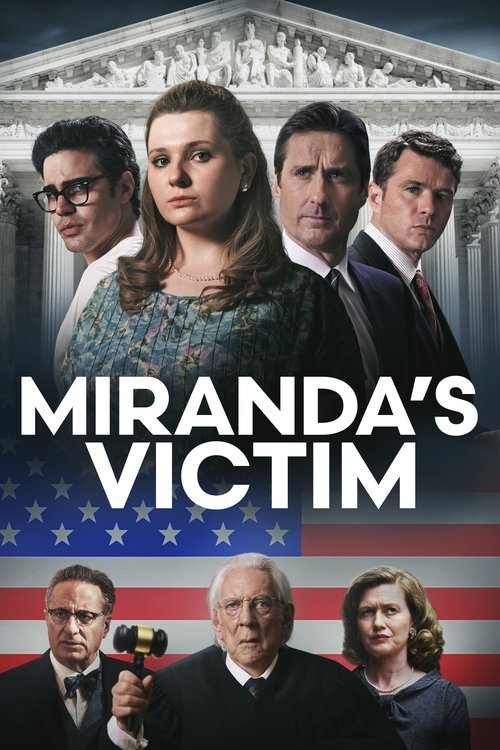
Miranda's Victim offers a sophisticated critique of systemic authority. It reframes a historical landmark not as a victory for civil rights, but as a study of systemic failure and individual disenfranchisement. The film shifts the focus from the perpetrator to the consequences endured by the victim. The narrative structure disrupts conventional historical perspectives by highlighting the tension between individual trauma and state-mandated legal precedents. It moves away from the traditional 'triumph of justice' cliché to examine institutional corruption. While the film excels in its critique of power and women's ability to drive the story, it lacks specific evidence regarding racial diversity or LGBTQ+ representation within the provided context.
Category Breakdown
The film does not provide explicit evidence regarding LGBTQ+ characters or themes. The narrative primarily focuses on a specific historical criminal case and its legal implications.
The story emphasizes women's ability to drive the narrative by centering on Trish Weir's struggle against a male-dominated legal system. It portrays patriarchal legal institutions as sources of harm.
While the 1963 setting suggests inherent racial dynamics within the legal landscape, there is no verifiable evidence regarding a non-Anglo-Saxon majority cast.
The film examines Western institutions critically, framing the American legal system as an entity that harms the protagonist rather than protects her.
The narrative explores the long-term psychological impacts of trauma. It focuses on the aftermath of extreme violence and its effect on the protagonist's life.
Present on Screen
Limited or Absent
Official Synopsis
The true story of Trish Weir who in 1963 was kidnapped and brutally raped by Ernesto Miranda. Committed to putting her assailant in prison, Trish’s life is destroyed by America’s legal system as she triggers a law that transforms the nation.
2007

2020

2021

2013

2022
2012
2010

2015
No reviews yet. Be the first to share your thoughts on this movie!
Use the rating form above to leave a star rating and optional review.