Fool's Mate
1956
No user ratings available yet
Diversity score: 4.2 out of 10
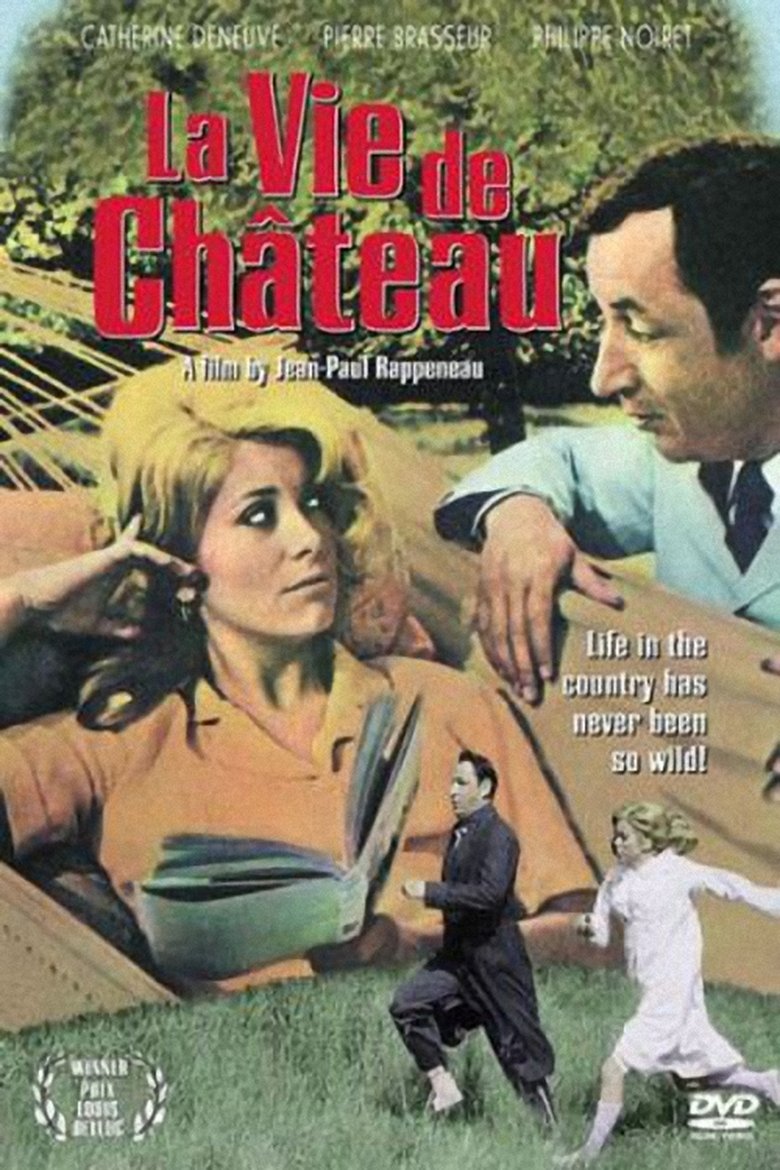
1966
Director
Jean-Paul Rappeneau
Runtime
93 minutes
Average Rating
No ratings yetSynopsis
In the countryside near Normandy's beaches lives Marie, unhappy. It's 1945, she's married to Jérôme, a somewhat fussy milquetoast, diffident to the war around him and unwilling to move his wife to Paris, where she longs to live, shop, and party. A German outfit is bivouacked at Jérôme and Marie's crumbling château because its commanding officer is pursuing Marie. She's also eyed by a French spy working with the Allies as they plan D-Day. He woos her (posing to the Germans as her brother) and, in his passion, forgets his mission. Heroics come from an unexpected direction, and Marie makes her choice.
Overall Score
Fair
Category Breakdown
LGBTQ+ Representation
The film lacks explicit depictions of LGBTQ+ identities or non-heteronormative pairings. The plot focuses entirely on Marie's interactions with various male figures.
Gender Representation
Marie serves as a central agent of change, seeking autonomy and urban sophistication. The film subverts patriarchal tropes by portraying her husband as ineffective and stagnant.
Racial & Ethnic Diversity
The narrative focuses on a homogeneous European cast within a specific historical setting. There is no evidence of significant racial diversity among the primary characters.
Religious & Cultural Diversity
The story critiques rigid provincial structures and traditional Western institutions. Marie's desire for Paris highlights a tension between traditionalist values and modern, cosmopolitan lifestyles.
Disability Representation
There are no visible or invisible disabilities portrayed as central to the character arcs or the plot development.
Strengths
Areas for Improvement
AI Analysis
A Matter of Resistance succeeds in deconstructing traditional gender hierarchies by centering Marie's personal ambitions over domestic stability. Her pursuit of autonomy challenges the era's typical patriarchal structures. However, the film remains limited by its narrow demographic scope. The focus on a homogeneous European cast and the absence of queer identities result in a lack of intersectional depth. Ultimately, the film is a character-driven study of post-war social realignment rather than a diverse ensemble piece.
1956
1953
2003

1955
1947
1955

1966
1943
1958
1956
1947
1946
No reviews yet. Be the first to share your thoughts on this movie!
Use the rating form above to leave a star rating and optional review.