
That Kind of Woman
1959
No user ratings available yet
Diversity score: 4.7 out of 10
1960
Director
Alex Joffé
Runtime
121 minutes
Average Rating
No ratings yetSynopsis
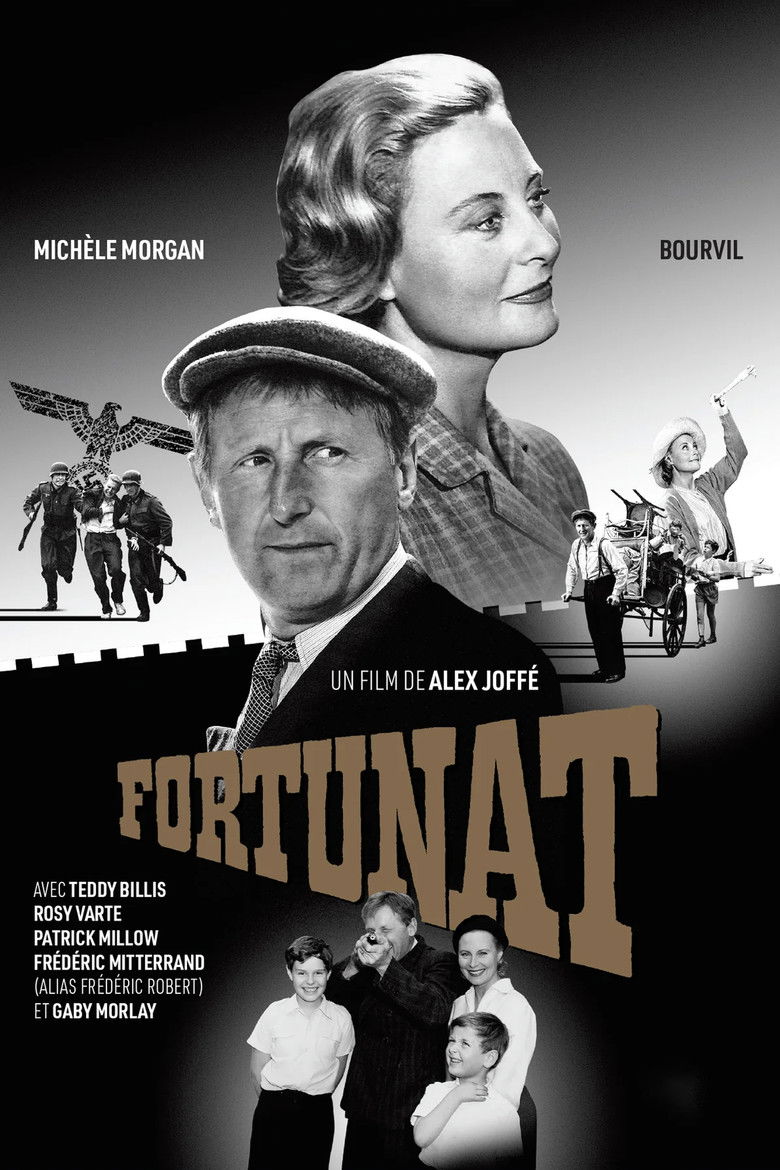
During WW2, a posh bourgeois woman (Morgan)is compelled to live under the same room as a crude simple-minded yet big-hearted man.(Bourvil) Her husband was arrested by the Gestapo and she is a hunted woman.
Overall Score
Fair
Category Breakdown
LGBTQ+ Representation
The film operates within traditional romantic and social frameworks. There is no evidence of queer narratives or non-heteronormative identities.
Gender Representation
The story centers on a woman forced into vulnerability by political upheaval. Her survival and proximity to a different social class suggest a subversion of rigid high-society feminine roles.
Racial & Ethnic Diversity
The narrative focuses on the class divide in WWII-era France. The cast appears predominantly white and Eurocentric, with no evidence of significant racial blending.
Religious & Cultural Diversity
The film critiques Western class hierarchies by disrupting the sanctity of the upper-class domestic sphere. It suggests moral worth resides in the working class rather than elite structures.
Disability Representation
There are no specific mentions of characters with visible or invisible disabilities in the narrative.
Strengths
Areas for Improvement
AI Analysis
Fortunate is a mid-century humanistic drama that prioritizes class friction over modern identity politics. The film's strength lies in its social commentary, using the wartime setting to dismantle the perceived superiority of the bourgeoisie through the connection between two disparate characters. However, the film remains limited by the cinematic constraints of 1960. It lacks representation regarding LGBTQ+ identities and racial diversity, focusing instead on a Eurocentric, socio-economic conflict. Ultimately, the work achieves a moderate progressive impact by framing traditional state authority as oppressive and finding humanity in the working class.
1959
1947

1939
1957
No reviews yet. Be the first to share your thoughts on this movie!
Use the rating form above to leave a star rating and optional review.