Warden of the Dead
2007
No user ratings available yet
Representation score: 6.5 out of 10
Representation Score
Limited
2002
Not RatedDirector
Ole Bornedal
Runtime
125 minutes
Average Rating
No ratings yetNew Showbiz Analysis
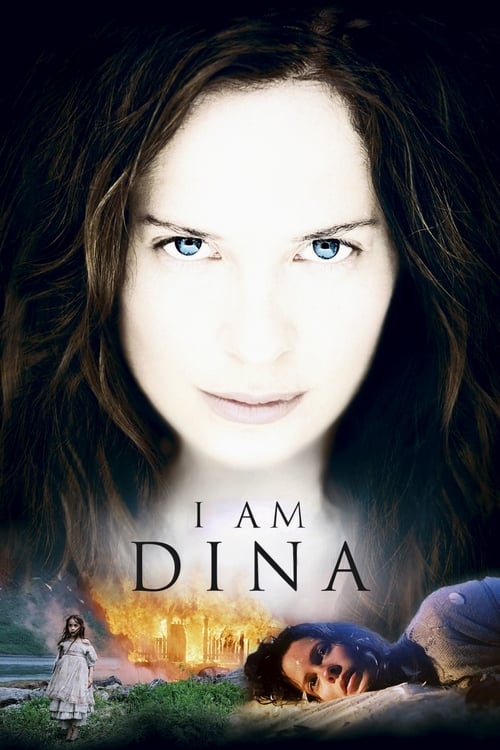
I Am Dina is a period drama that emphasizes the internal struggles and the conflict between personal freedom and societal norms. Despite its traditional demographic makeup, the film's themes are progressive in their exploration of gender and institutional power. The story revolves around a female protagonist striving for independence against a restrictive patriarchal society. This emphasis on female empowerment offers a compelling contrast to the submissive roles often found in historical dramas. However, the film falls short in representing LGBTQ+ identities or non-traditional gender expressions, maintaining a homogeneous racial and ethnic profile consistent with the period's historical context.
Category Breakdown
The film follows traditional romantic themes typical of the 19th century. It emphasizes heterosexual family structures without including stories about LGBTQ+ individuals or those whose gender doesn't match their assigned-at-birth identity.
Dina's fight for independence against a patriarchal system drives the plot. Women are shown as active participants in navigating societal pressures rather than being passive victims of their circumstances.
The cast and setting mirror the homogenous population of 1860s Norway. The film does not employ diverse casting to challenge the historical norms of the time.
The narrative criticizes strict religious and social customs as oppressive. It portrays traditional Christian morality as a source of exclusion and marginalization for individuals who don't conform.
There are no prominent portrayals of visible or invisible disabilities that play central roles in the story or significantly influence the narrative.
Present on Screen
Limited or Absent
Official Synopsis
In Northern Norway during the 1860s, a little girl named Dina accidentally causes her mother's death. Overcome with grief, her father refuses to raise her, leaving her in the care of the household servants. Dina grows up wild and unmanageable, with her only friend being the stable boy, Tomas. She summons her mother's ghost and develops a strange fascination with death as well as a passion for living.
2007
1993

1996
1976
2007
2017
1995
2010
No reviews yet. Be the first to share your thoughts on this movie!
Use the rating form above to leave a star rating and optional review.