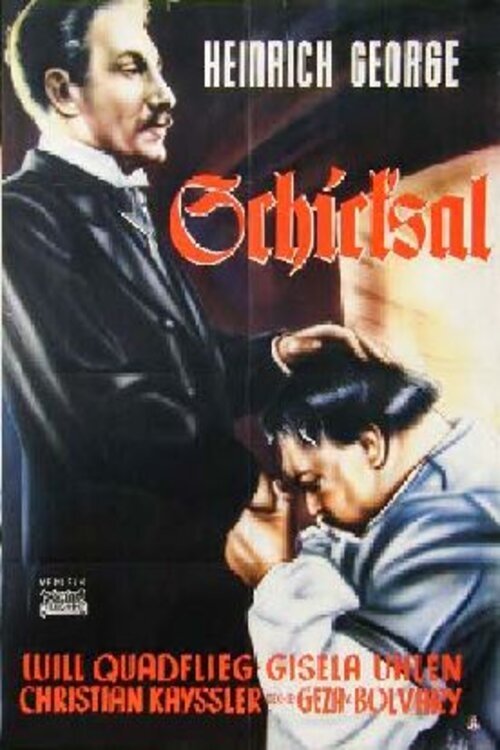
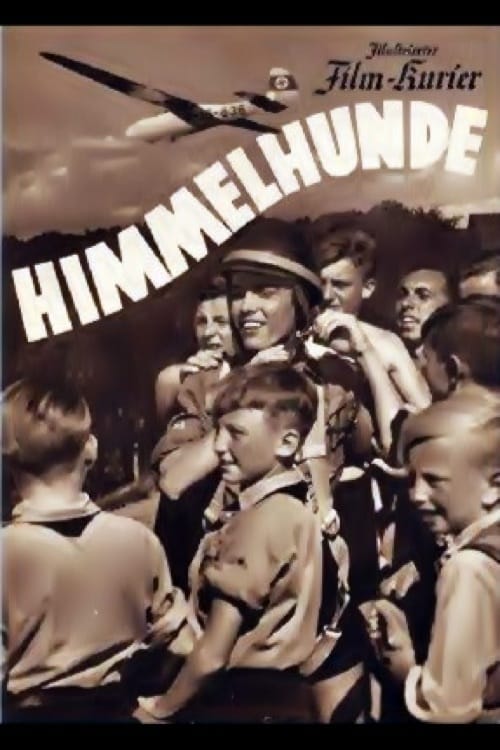
Between Heaven and Earth
1942
No user ratings available yet
Representation score: 0.2 out of 10
Representation Score
Minimal
1942
Director
Géza von Bolváry
Average Rating
No ratings yetNew Showbiz Analysis
Schicksal is a product of the 1940s German-Austrian film industry, produced by Wien-Film following the annexation of Austria. Its focus on destiny and lineage suggests a narrative designed to uphold the hierarchical and nationalist values of its era. The film's themes of military command and stewardship reinforce traditional gender roles and patriarchal power. This alignment with state-sanctioned ideologies of the period limits the presence of diverse identities or perspectives that challenge familiar patterns. Ultimately, the work functions as a reflection of its historical context, prioritizing established social orders and Eurocentric viewpoints over inclusive or diverse representation.
Category Breakdown
The film does not include any queer narratives or characters with non-traditional gender identities. The era's strict assumptions about everyone being straight and cisgender likely dominate the storytelling.
The plot centers on military command and estate management, reinforcing traditional male-dominated hierarchies. Female characters are shown in traditional domestic roles within this masculine framework.
Despite being set in Bulgaria, the production lacks diverse casting. It likely relies on European stereotypes that serve a Western-centric narrative perspective.
The narrative emphasizes traditional Western institutions and rigid moral codes. It focuses on duty and lineage rather than diverse cultural expressions.
There are no characters with visible or invisible disabilities mentioned in the narrative.
Present on Screen
Limited or Absent
1942
1944

1942
1938
1942
1945
1942
1944
No reviews yet. Be the first to share your thoughts on this movie!
Use the rating form above to leave a star rating and optional review.