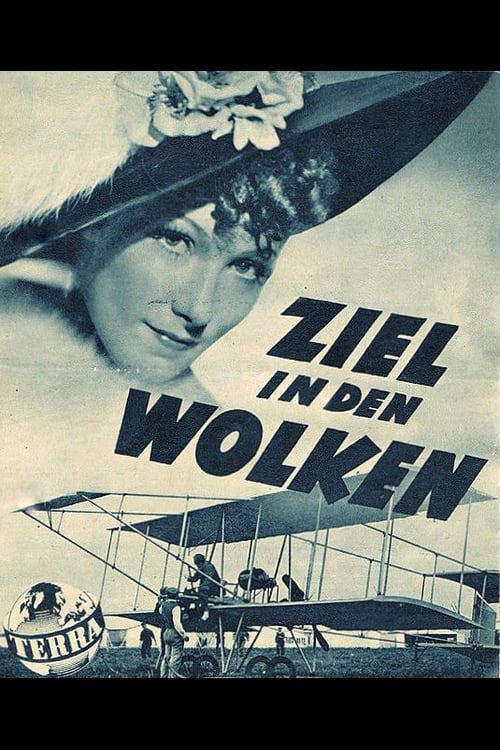
Ziel in den Wolken
1938
No user ratings available yet
Representation score: 0.2 out of 10
No Poster Available
Representation Score
Minimal
1942
Director
Harald Braun
Runtime
99 minutes
Average Rating
No ratings yetNew Showbiz Analysis
Zwischen Himmel und Erde is a quintessential example of traditionalist mid-century European cinema. The film reinforces established religious, gender, and social hierarchies without challenging them. It emphasizes a sense of divine and communal order that aligns with the cultural status quo of its era. The narrative structure is built on formal storytelling and traditional social structures, focusing on men's control over the story and religious duty.
Category Breakdown
The film adheres to the assumption that everyone is straight or cisgender, with no representation of LGBTQ+ identities or same-sex relationships.
Gender roles are traditional, with male characters taking the lead in both physical and spiritual actions, while female characters are confined to supporting roles within the home and emotional context.
The cast is uniformly white, reflecting the social constraints of 1940s German cinema, with no representation of non-white characters.
The story upholds a strict Christian morality centered around duty to authority and traditional social hierarchies.
There are no prominent depictions of physical or neurodivergent disabilities, nor do such traits serve as central character arcs or plot devices.
Present on Screen
Limited or Absent
Official Synopsis
Xanten am Rhein, 1870/1871. Roffer Rottwinkel has two sons. His favorite is Mathias, whom he prefers to Lonius, a quiet and introspective man. Lonius, for his part, is shyly revering Christine ... and his brother's in love with her, too. For this reason, the father sends Lonius away, to fight in the Franco-Prussian War, which turns the introverted boy into a brave and strong man. Highly decorated, he returns home. In the meantime, his brother Mathias and Christine are unhappily married. Mathias is slipping more and more and finally becomes a con man. As Lonius is still very much in love with Christine, he wishes to save his father's business from ruin and rebels against his brother, who now goes to extremes.
1938

1950

1942
1958
1944
1942
1945

1941
No reviews yet. Be the first to share your thoughts on this movie!
Use the rating form above to leave a star rating and optional review.