
Wenn du noch eine Heimat hast
1942
No user ratings available yet
Representation score: 0.2 out of 10

Representation Score
Minimal
1942
Director
Johannes Meyer
Average Rating
No ratings yetNew Showbiz Analysis
Ein Zug fährt ab is a product of its specific historical moment, functioning within the rigid, state-controlled narrative structures of 1942 Germany. The film lacks complexity in reflecting multiple aspects of identity, instead reinforcing the traditionalist and nationalist hierarchies prevalent during its production. The work is characterized by extreme homogeneity across racial, ethnic, and gender lines. It serves to uphold established social structures rather than challenge or subvert them, offering a singular, culturally uniform perspective. Ultimately, the film lacks any meaningful representation of underrepresented groups, including LGBTQ+ individuals or people with disabilities, reflecting the systemic constraints of the era’s cinematic landscape.
Category Breakdown
The film does not include any representation of non-binary or transgender identities. It follows the strict assumption that everyone is straight and cisgender, which was common in 1942 German cinema.
Gender roles in the film are limited to traditional hierarchies. Men are portrayed in stable leadership positions, while women are shown in submissive domestic roles.
The cast and narrative are extremely homogeneous, with no evidence of diverse ethnic identities or non-white representation.
The narrative emphasizes social cohesion and adherence to established authority. It operates within the traditional Western and European institutional values of the time.
There is no visible representation of characters with disabilities, either physical or neurological. During this period, such characters were rarely given significant roles in cinema.
Present on Screen
Limited or Absent
1942

1998

1938

2019
1942
1945

1944
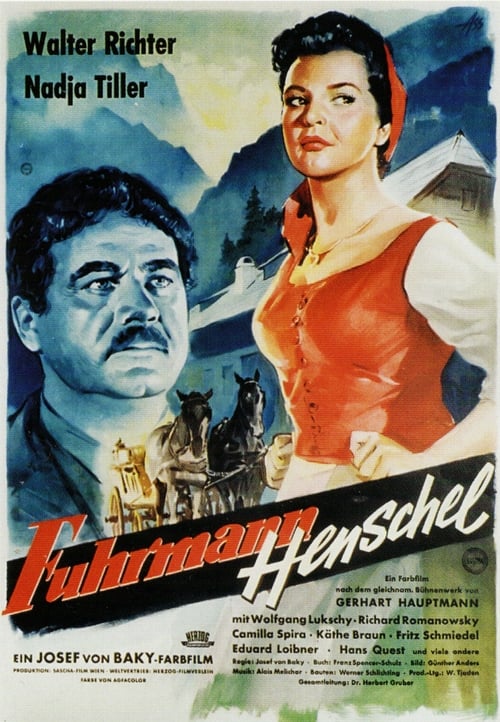
1956
No reviews yet. Be the first to share your thoughts on this movie!
Use the rating form above to leave a star rating and optional review.