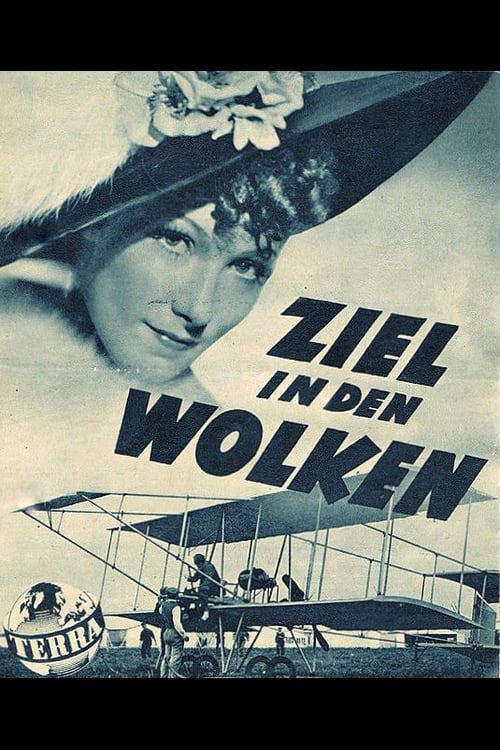
Ziel in den Wolken
1938
No user ratings available yet
Representation score: 0.2 out of 10

Representation Score
Minimal
1942
Director
Günther Rittau
Runtime
86 minutes
Average Rating
No ratings yetNew Showbiz Analysis
Produced during the Third Reich, this film serves as a tool to promote state-approved nationalistic ideas. Its structure supports existing social hierarchies and traditional values without questioning them. The film offers a narrow perspective, lacking depth in representing various aspects of diversity. It reinforces conventional gender roles and ethnic uniformity, aligning with the societal norms of its time. Overall, the work acts as a means to reinforce institutional norms, without challenging the strict social and cultural structures of its era.
Category Breakdown
The film does not depict any non-straight or non-cisgender identities and does not show any same-sex relationships. It follows traditional heterosexual norms without challenging them.
Women in the film are mostly shown in roles related to home life and emotional strength. They support the family and nation but do not have much influence over larger systems.
The film features a homogeneous cast with no signs of racial diversity. The story focuses on a single, ethnically uniform idea of community.
The story emphasizes nationalistic values and loyalty to the state. It upholds traditional European social structures without exploring secular or relative moral viewpoints.
The film does not include any characters with physical or cognitive differences. There are no instances where such characters have meaningful roles.
Present on Screen
Limited or Absent
Official Synopsis
The river level rises, the dam can no longer hold back the floodwaters – it breaks. Panic erupts, everyone tries to save at least some of their belongings from the rising waters. Those who manage it flee to the farm of old dike captain Doorn. His sons, Peter and Heinrich, help wherever they can. In doing so, they save the local schoolteacher and his beautiful daughter, Renate, from certain death. Both men love Renate, but this rivalry is not the only reason the brothers become enemies. While Heinrich, a trained engineer, advocates for river regulation to prevent further dam breaches, Peter vehemently argues for reinforcing the dam. When old Doorn dies and Peter proves to be the sole heir, Heinrich leaves home.
1938

1950
1942
1958
1942

1960
1944

1932
No reviews yet. Be the first to share your thoughts on this movie!
Use the rating form above to leave a star rating and optional review.