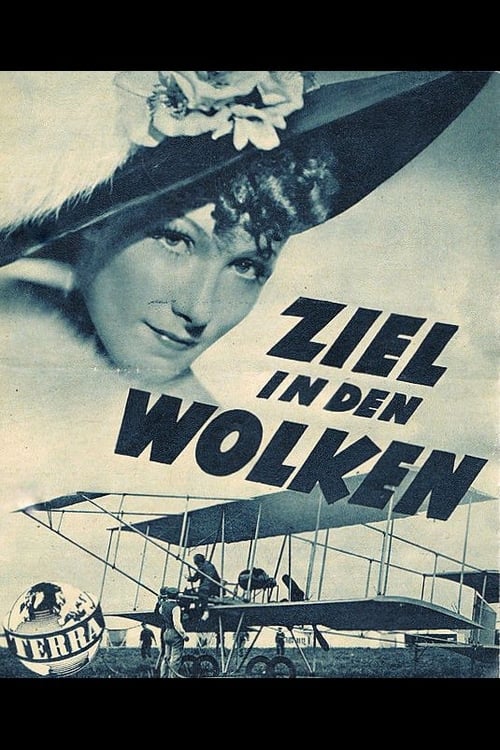
Ziel in den Wolken
1938
No user ratings available yet
Representation score: 0.2 out of 10
Representation Score
Minimal
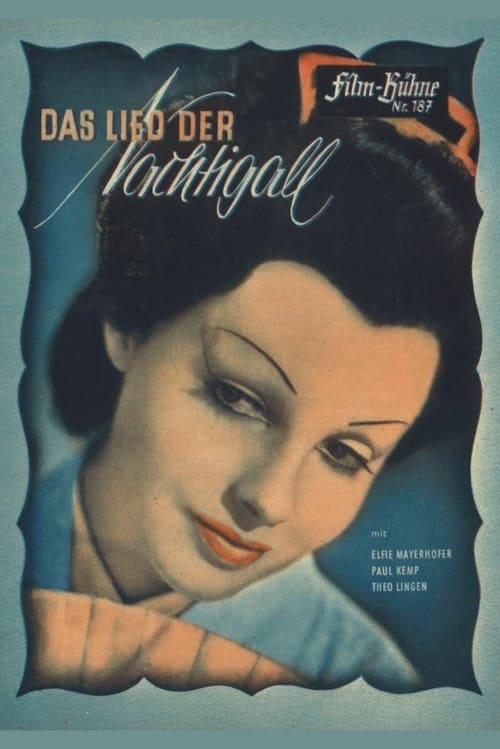
1944
Director
Theo Lingen
Runtime
0 minutes
Average Rating
No ratings yetNew Showbiz Analysis
Produced in 1944, *Das Lied der Nachtigall* is a product of a highly centralized and traditionalist film industry. The creative output is heavily influenced by extreme state-mandated constraints and censorship, making progressive themes almost impossible. The film reinforces conservative social structures rather than challenging them. It lacks diverse representation, instead mirroring the nationalist and homogeneous ideals of its era. Ultimately, the work reflects the systemic constraints of mid-20th-century German cinema, showing no evidence of integrating progressive values.
Category Breakdown
The film does not include any characters with non-straight or non-cisgender identities. During the 1944 era, stories that challenged the idea that everyone is straight were not allowed due to strict social and legal rules.
The interactions between characters probably reinforce traditional gender roles and domestic life. There is no indication that the film challenges conventional views on gender roles or masculinity.
The film reflects the era's homogeneous and Eurocentric society. The cast seems to follow the typical pattern of the time, which was to have a mostly white and uniform group of actors.
The film upholds traditional Western and European religious and cultural values. It does not show any secular or critical views of traditional family structures.
Disability is not shown with depth or character development. Given the historical context, characters with disabilities were likely used as plot devices without much nuance.
Limited or Absent
1938
1958
1944
1945
1944

1960
1945

1942
No reviews yet. Be the first to share your thoughts on this movie!
Use the rating form above to leave a star rating and optional review.