
Street Life
2006
No user ratings available yet
Representation score: 8.2 out of 10
Representation Score
Good
1990
Director
Ulrich Seidl
Runtime
126 minutes
Average Rating
No ratings yetNew Showbiz Analysis
Ulrich Seidl’s debut is a rigorous observational study that deconstructs the myth of a monolithic European capital. By focusing on a multi-ethnic proletariat, the film offers a sophisticated look at the systemic friction within modern social hierarchies. While the film excels in documenting racial and cultural diversity among migrant workers, it remains narrow in its thematic scope, prioritizing class and labor exploitation over explorations of gender or LGBTQ+ identities. Ultimately, the work serves as a powerful critique of exploitative capitalist structures, offering a raw, clinical examination of the underrepresented individuals who sustain the urban landscape.
Category Breakdown
The documentary focuses on the socioeconomic realities of street vendors. There are no visible representations of LGBTQ+ characters or narratives centered around non-cisgender identities.
The film centers on a predominantly male workforce, focusing on class and labor issues rather than critiquing gender-based power dynamics.
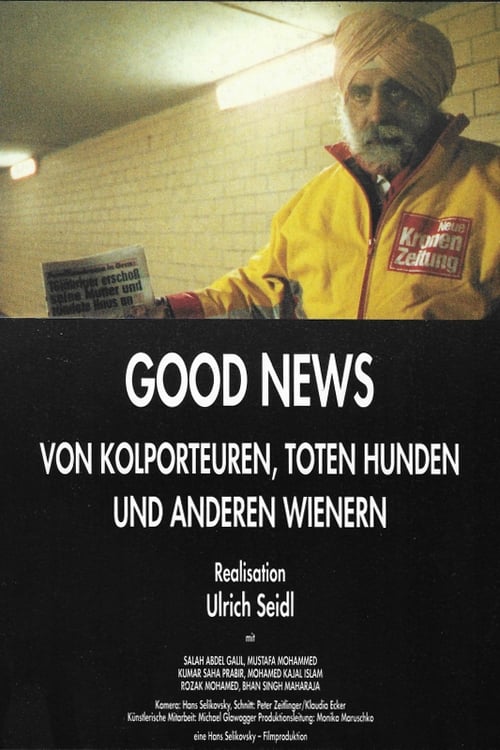
The film showcases a multi-ethnic workforce from Turkey, India, Pakistan, Egypt, and Eastern Europe, disrupting the image of Vienna as a homogeneous white space.
The narrative critiques capitalist structures and highlights the systemic pressures and social alienation faced by underrepresented laborers from various cultural backgrounds.
The film examines the physical toll of harsh labor conditions but lacks specific characters with visible or invisible disabilities playing central roles in the narrative.
Present on Screen
Limited or Absent
Official Synopsis
This documentary, Ulrich Seidl's full-length film debut, examines the lives of the street newspaper sellers in Vienna, a mixture of men from Turkey, India, Pakistan, Egypt and Eastern Europe, standing out in all weathers, peddling the trivial Viennese tabloids. We see their lives on the street, their cramped living quarters, their minders, the 'training' days, and the inhumane process which keeps them working endless hour for little reward.
2006

2000

2008

2000

2019
2004

1984

2011
No reviews yet. Be the first to share your thoughts on this movie!
Use the rating form above to leave a star rating and optional review.