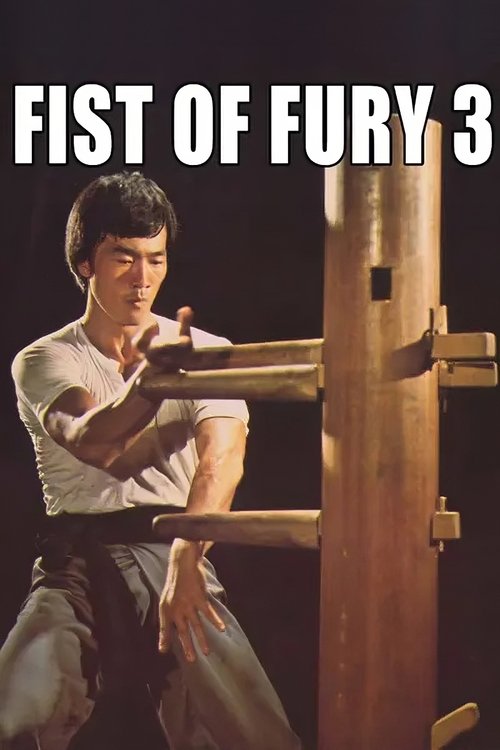
Fist of Fury 3
1979
No user ratings available yet
Representation score: 4.9 out of 10
No Poster Available
Representation Score
Fair
1980
Director
Kim Hyo-cheon
Runtime
100 minutes
Average Rating
No ratings yetNew Showbiz Analysis
Lonely Star of Osaka is a drama that finds its strength in geopolitical tension. It moves beyond simple domestic storytelling to explore the friction between individual ability to act and organized political ideologies, particularly North Korean influence in Japan. However, the film adheres to traditional dramatic structures of its era. Female characters like Harumi provide emotional support but do not have the ability to act to drive the central conflict, which remains male-dominated. Ultimately, the film provides a nuanced layer of cultural commentary by deconstructing systemic propaganda, even if it lacks diversity in gender roles and LGBTQ+ representation.
Category Breakdown
The film does not include any explicitly LGBTQ+ characters or narratives. The story centers on traditional family relationships and interpersonal dynamics.
Harumi plays a central role as a caregiver and stabilizing force, but her actions are defined by her relationships to the male protagonists. The story's main conflicts are driven by the male characters' actions.
The film explores complex transnational dynamics by focusing on the tension between North Korean ideologies and Japanese residents. It uses geopolitical identity to motivate characters.
The film offers a critical perspective on organized political structures and misinformation. It critiques institutionalized propaganda and ideological movements.
The protagonist sustains injuries during a physical confrontation, but it is unclear if these injuries result in a permanent disability. There is insufficient information to assess this further.
Present on Screen
Limited or Absent
Official Synopsis
Kanemoto served five years in prison for attacking Masao of the pro-North Korean organization, the killer of the president of the company who brought him up. Released from prison, Kanemoto gets injured fighting Masao again. Harumi, who lives with her brother Genichi, takes care of Kanemoto. When Genichi visits Korea and reveals the pro-North Korean organization's lies, he becomes their target. This also places the life of Harumi and their family at risk and only Kanemoto can save them.
1979

1972

1975

1972
1978

1974
1969
1971
No reviews yet. Be the first to share your thoughts on this movie!
Use the rating form above to leave a star rating and optional review.