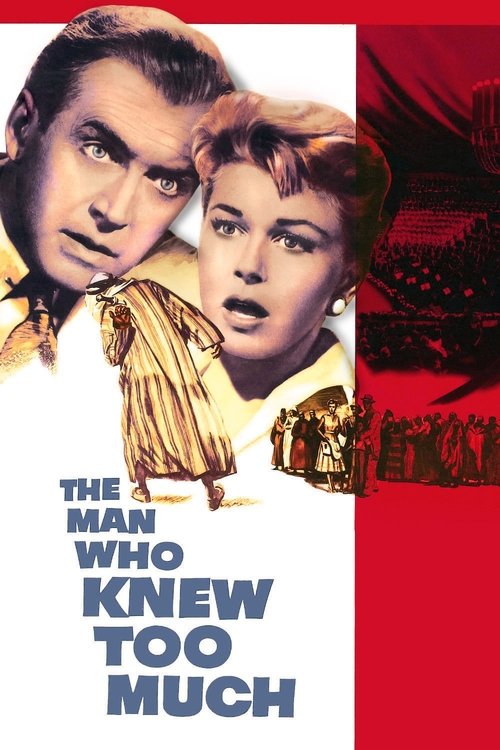
The Man Who Knew Too Much
1956
No user ratings available yet
Representation score: 1.4 out of 10
Representation Score
Minimal
1934
NRDirector
Alfred Hitchcock
Runtime
76 minutes
Average Rating
No ratings yetNew Showbiz Analysis
Hitchcock’s early thriller emphasizes technical suspense and genre clichés over social or identity-based complexity. The narrative structure reinforces the traditional hierarchies of its era, particularly regarding gender and racial homogeneity. The film serves as a baseline for mid-century Western thriller clichés. It lacks the intentionality needed to disrupt conventional social expectations or offer diverse perspectives.
Category Breakdown
The film strictly follows the social norms of the 1930s, with no representation of non-binary or non-cisgender identities. There are no narratives that challenge the era's sexual norms.
The story relies on traditional gender roles and a typical husband-and-wife dynamic. The female lead drives the emotional stakes, but her role remains mostly reactive to the kidnapping.
The cast reflects the demographic uniformity of 1930s British cinema. The narrative centers on a white, middle-class experience without including non-Anglo-Saxon characters.
The film focuses on preserving the nuclear family against criminal elements. It operates within a framework of traditional Western stability, avoiding systemic critiques.
There are no prominent depictions of physical or neurodivergent disabilities used as central character drivers or plot devices.
Present on Screen
Limited or Absent
Official Synopsis
While vacationing in St. Moritz, a British couple receive a clue to an imminent assassination attempt, only to learn that their daughter has been kidnapped to keep them quiet.
1956
1940
1959
1935
1954
1936
1947
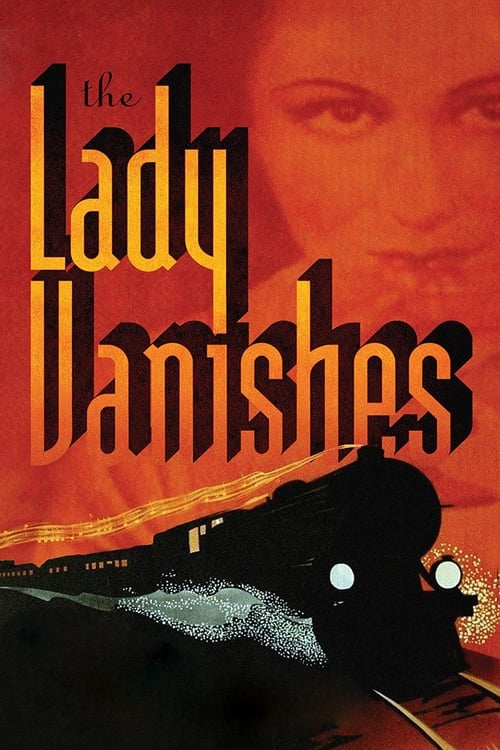
1938
No reviews yet. Be the first to share your thoughts on this movie!
Use the rating form above to leave a star rating and optional review.