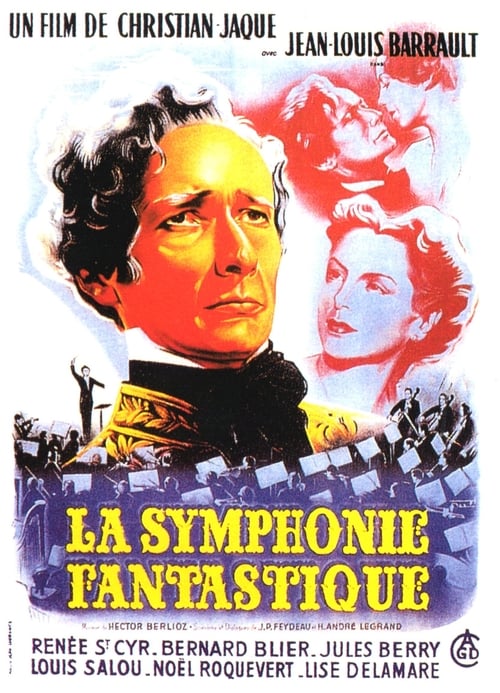
La Symphonie fantastique
1942
No user ratings available yet
Representation score: 2.7 out of 10
Representation Score
Good
2022
Director
Kirill Serebrennikov
Runtime
144 minutes
Average Rating
No ratings yetNew Showbiz Analysis
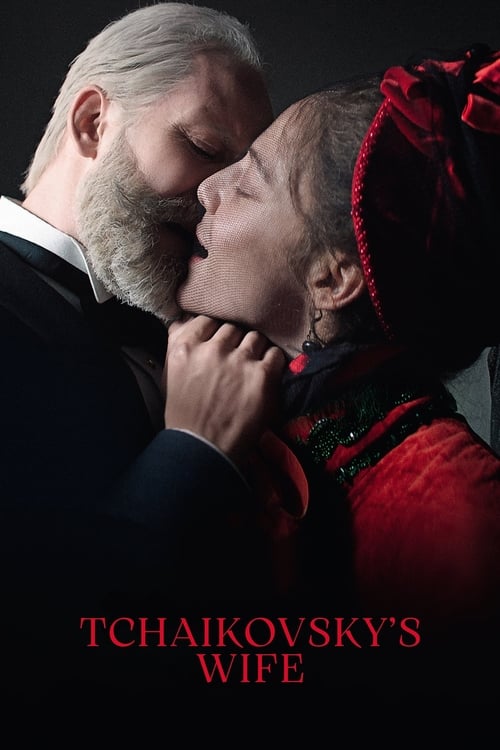
Tchaikovsky's Wife stands out as a gritty historical drama that avoids the usual gloss of period romances. By highlighting the psychological burden of an unbalanced marriage, it offers a raw look at the costs of societal expectations. The film excels by centering the female protagonist's psychological strength and exploring the complex undertones of queer identity within a rigid historical backdrop. It uses the character's mental health journey to criticize the structures that push her towards madness. However, the film's historical setting limits its portrayal of racial and ethnic diversity. The narrative stays confined to the homogenous demographics of the 19th-century Russian elite.
Category Breakdown
The film touches on non-straight relationships through subtle hints about Tchaikovsky's identity. While marriage is central, the narrative delves into the composer's inner conflicts within a strict 19th-century society.
The story challenges romantic clichés by focusing on Antonina Milyukova's psychological struggle. It questions traditional aristocratic roles by showing a marriage marked by emotional turmoil rather than idealized domestic life.
The depiction reflects the uniform nature of the 19th-century Russian aristocracy. Casting and settings match the era's social hierarchy.
The narrative questions the sanctity of traditional family units by showing marriage as a source of pain. It emphasizes psychological realism over maintaining social norms.
Antonina's descent into madness examines mental instability. The film looks at how ongoing emotional strain can lead to psychological breakdown and mental health issues.
Present on Screen
Limited or Absent
Official Synopsis
Antonina Milyukova is a beautiful and bright young woman, born in the aristocracy of 19th century Russia. She could have anything she'd want, and yet her only obsession is to marry Pyotr Tchaikovsky, with whom she falls in love from the very moment she hears his music. The composer finally accepts this union, but after blaming her for his misfortunes and breakdowns, his attempts to get rid of his wife are brutal. Consumed by her feelings for him, Antonina decides to endure and do whatever it takes to stay with him. Humiliated, disgraced and discarded, she is slowly driven to madness.
1942
1988
1947
1975
1980
1996
1970
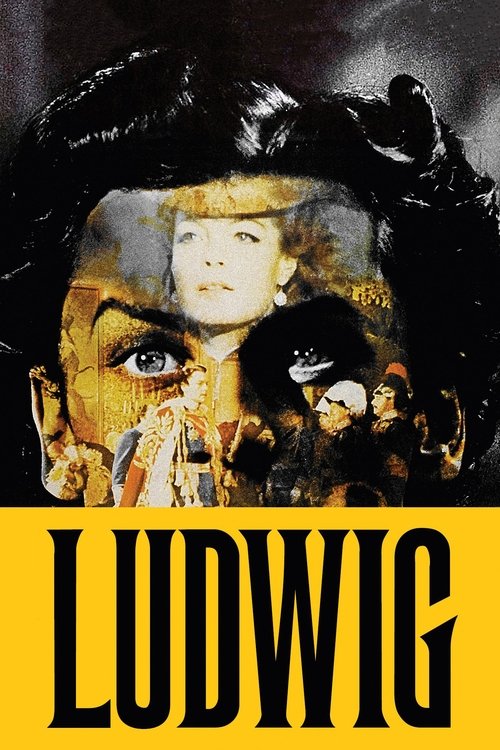
1973
No reviews yet. Be the first to share your thoughts on this movie!
Use the rating form above to leave a star rating and optional review.