Wide Boy
1952
No user ratings available yet
Representation score: 1.5 out of 10
Representation Score
Limited
1955
NRDirector
Ken Hughes
Runtime
90 minutes
Average Rating
No ratings yetNew Showbiz Analysis
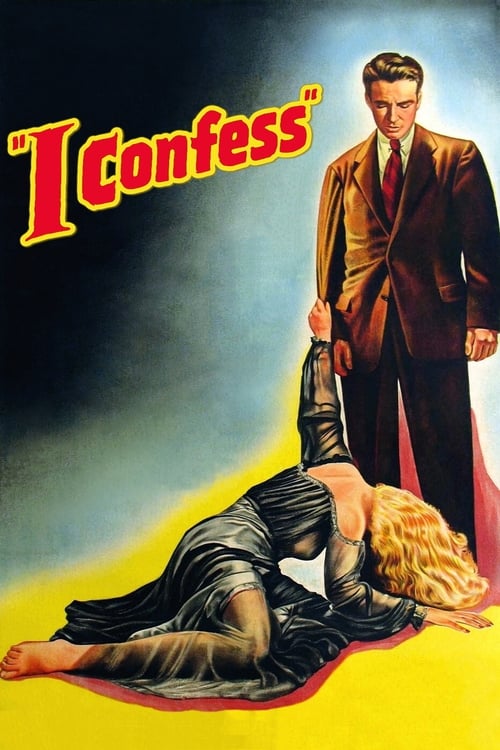
Confession is a quintessential mid-century British noir that prioritizes genre clichés over social complexity. The film reinforces the demographic and social hierarchies typical of 1950s crime cinema, focusing on a narrow, traditional worldview. The narrative is driven by male conflict and religious tension, leaving little room for diverse identities.
Category Breakdown
The film adheres to the conventions that assume everyone is straight and cisgender. There is no evidence of non-straight or non-cisgender identities or same-sex intimacy within the narrative.
The story centers on a male-dominated criminal underworld. Women appear to be relegated to secondary roles without significant influence over the plot.
The production reflects the demographic homogeneity of mid-century London. It features a predominantly Anglo-Saxon cast without visible racial diversity.
Religious institutions serve as functional components of the social fabric. The plot uses the sanctity of confession as a standard noir tension-builder.
There is no evidence of characters with disabilities driving the story. Physical or mental impairments are absent from the narrative.
Present on Screen
Limited or Absent
Official Synopsis
A falling-out between thieves over the proceeds of a stickup results in several deaths and a priest being marked for murder because of a confession he receives from one of the gang members.
1952
1953
1956
1955
1950
1958
1955
1958
No reviews yet. Be the first to share your thoughts on this movie!
Use the rating form above to leave a star rating and optional review.