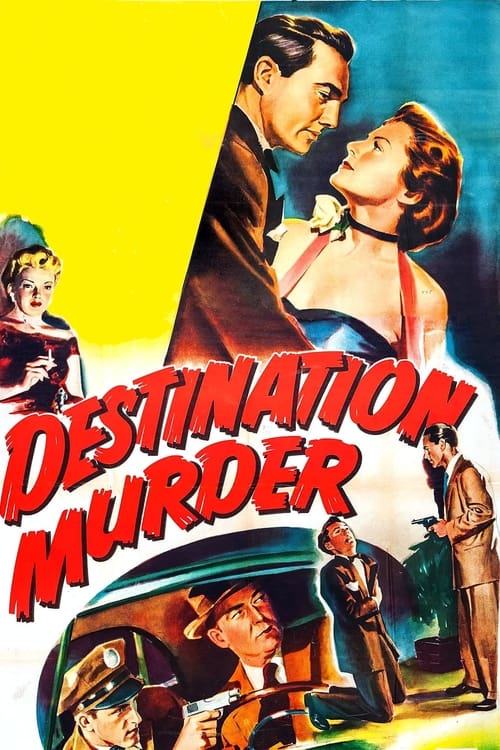
Destination Murder
1950
No user ratings available yet
Representation score: 1.0 out of 10
Representation Score
Minimal
1956
ApprovedDirector
R.G. Springsteen
Runtime
70 minutes
Average Rating
No ratings yetNew Showbiz Analysis
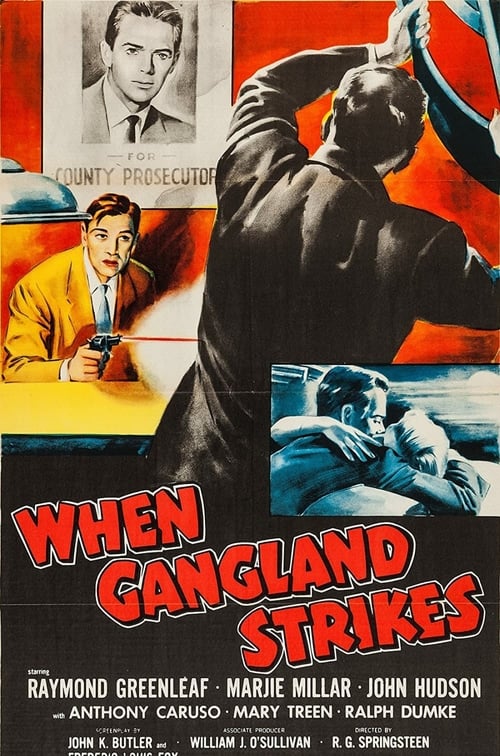
When Gangland Strikes is a traditional mid-century crime drama that emphasizes established social norms. The narrative structure relies on well-known genre clichés that reinforce existing social hierarchies rather than challenging them. The film lacks complexity in terms of diverse identities and cultural perspectives, focusing instead on a straightforward conflict between law enforcement and organized crime. Character roles are defined by rigid mid-century social structures.
Category Breakdown
The film does not include any characters with LGBTQ+ identities or perspectives that question the assumption that everyone is straight or cisgender.
The story revolves around male characters, including a prosecutor and mobsters. The female characters are portrayed as passive victims in a blackmail scheme rather than active participants.
The film depicts a typical mid-century urban setting with a cast that lacks significant racial diversity or characters of color with substantial roles.
The film upholds traditional Western values and the importance of the legal system. It emphasizes the preservation of social order through the lens of law versus criminality.
The film does not provide any information about characters with visible or invisible disabilities.
Present on Screen
Limited or Absent
Official Synopsis
In this crime drama, mobsters swear to get revenge upon a zealous public prosecutor as he tries to get them put into prison. The desperate mobsters try to stop him by using his innocent daughter in a blackmail scheme.
1950
1949
1950
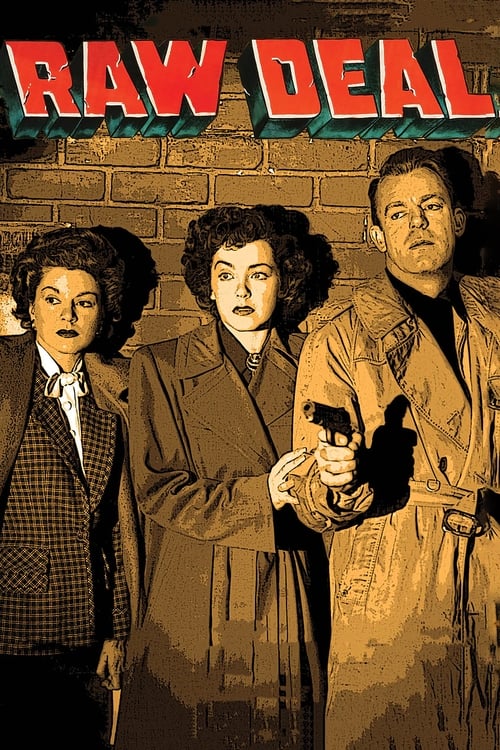
1948
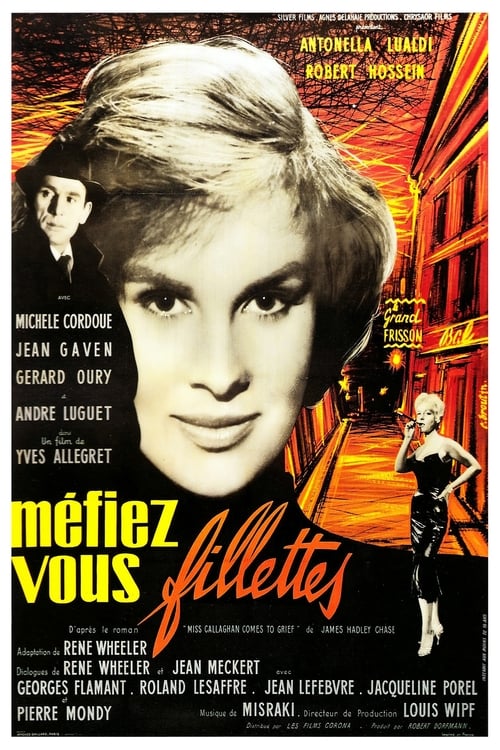
1957
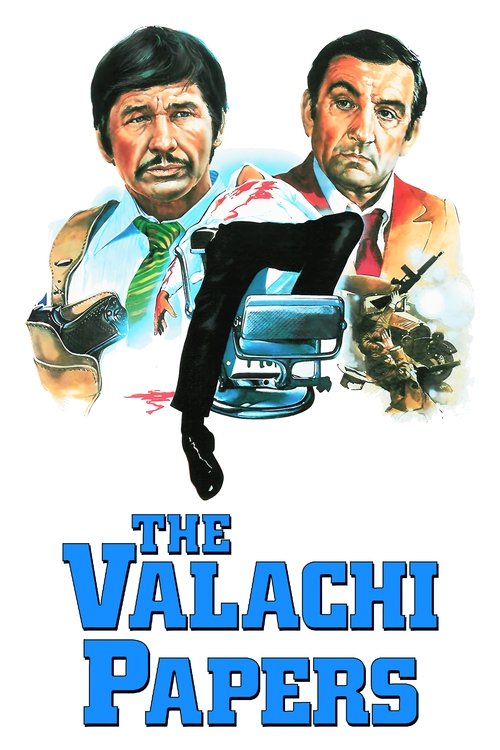
1972
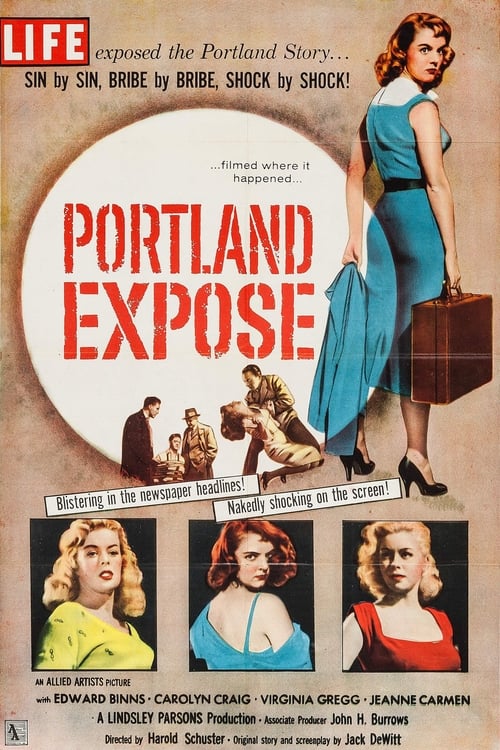
1957
1969
No reviews yet. Be the first to share your thoughts on this movie!
Use the rating form above to leave a star rating and optional review.