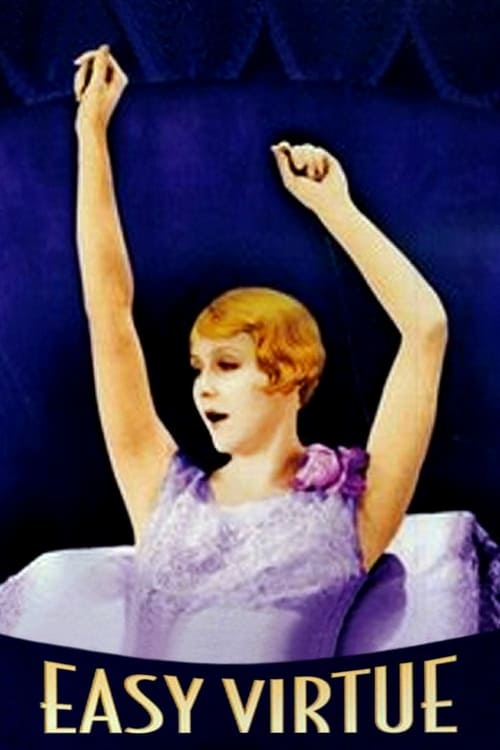
Easy Virtue
1928
No user ratings available yet
Representation score: 2.8 out of 10

Representation Score
Minimal
1928
PassedDirector
Victor Saville
Runtime
87 minutes
Average Rating
No ratings yetNew Showbiz Analysis
Tesha is a period melodrama that emphasizes emotional turmoil and romantic conflict over social subversion. While the film introduces a degree of international flavor by focusing on a Russian dancer, it remains firmly rooted in the conservative social hierarchies of the 1920s. The narrative's strength lies in its focus on the female protagonist's subjective experience. However, this ability to act is constrained by traditional gendered expectations regarding motherhood and marital fidelity, which serve as the primary drivers of the plot. Ultimately, the film functions as a standard prestige drama of its era. It lacks the depth or intentionality needed to challenge the status quo, instead reinforcing established familial and social norms.
Category Breakdown
The film does not include any LGBTQ+ characters or non-cisgender identities. The main conflict revolves around a traditional heterosexual marriage.
Tesha plays a significant role in driving the story, focusing on the female protagonist's experiences. However, the plot relies on period-specific clichés about infidelity and the pressure to have children.
The story features a Russian protagonist who navigates an English social environment. Despite this international dynamic, the film adheres to a typical Western European framework.
Themes of marriage and family obligations reinforce traditional Western social values. The drama follows conventional structures without exploring secular or anti-institutional perspectives.
The film does not mention any characters with visible or invisible disabilities.
Present on Screen
Limited or Absent
Official Synopsis
The luminous Maria Corda stars as the eponymous Tesha, a celebrated Russian dancer who marries an Englishman (Thomas). The couple long for a child but after five years of happy marriage, remain childless. On a trip to Southampton Tesha succumbs to a brief fling with a stranger (Cavanagh), unleashing a barrage of unforeseen consequences and emotional turmoil. The superb cinematography is by the great German cinematographer Werner Brandes who worked on dozens of prestige British productions in the 1920s. Originally shot silent, sound was added in 1929.
1928
1935
1927

1923
1929

1927
1925

1930
No reviews yet. Be the first to share your thoughts on this movie!
Use the rating form above to leave a star rating and optional review.