
British Agent
1934
No user ratings available yet
Representation score: 0.5 out of 10
Representation Score
Limited
1937
NRDirector
Victor Saville
Runtime
77 minutes
Average Rating
No ratings yetNew Showbiz Analysis
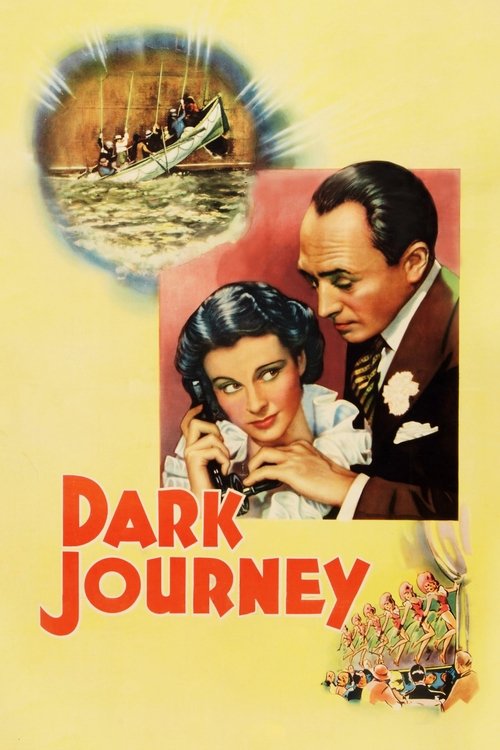
Dark Journey is a period espionage drama that emphasizes character-driven ability to act over broad social themes. The film’s main progressive element is its strong female lead, who avoids the passive damsel-in-distress cliché by demonstrating strategic autonomy in high-stakes intelligence work. However, the film reflects its 1937 origins with a predominantly white and European cast, lacking diverse representation. The narrative focuses narrowly on the geopolitical tensions of World War I, limiting its demographic scope to a Western-centric perspective. Overall, while the film provides a nuanced exploration of personal versus political duty, it does not challenge broader social hierarchies or include diverse identity frameworks.
Category Breakdown
The story centers around a heterosexual relationship between Madeline Goddard and Baron Karl Von Marwitz. There are no characters with LGBTQ+ identities or same-sex relationships.
Madeline Goddard is a strong female protagonist who acts as a double agent. She plays a significant role in driving the story with her intellect and strategic thinking in a male-dominated espionage world.
The cast is primarily white and European, reflecting the geopolitical context of World War I. There are no characters from non-Anglo-Saxon backgrounds.
The film examines the tension between personal feelings and national loyalty. It avoids simplistic moral binaries by focusing on the ethical complexities of a cross-border romance.
None of the characters have physical or mental disabilities. The narrative does not feature any characters with visible or invisible impairments.
Present on Screen
Limited or Absent
Official Synopsis
British double agent Madeleine Goddard meets and falls in love with German spy Baron Karl Von Marwitz during World War I.
1934
1936
1928

1952

1931

1932

1934
1946
No reviews yet. Be the first to share your thoughts on this movie!
Use the rating form above to leave a star rating and optional review.