The Last Days of Pompeii
1950
No user ratings available yet
Representation score: 2.3 out of 10
Representation Score
Fair
1961
Director
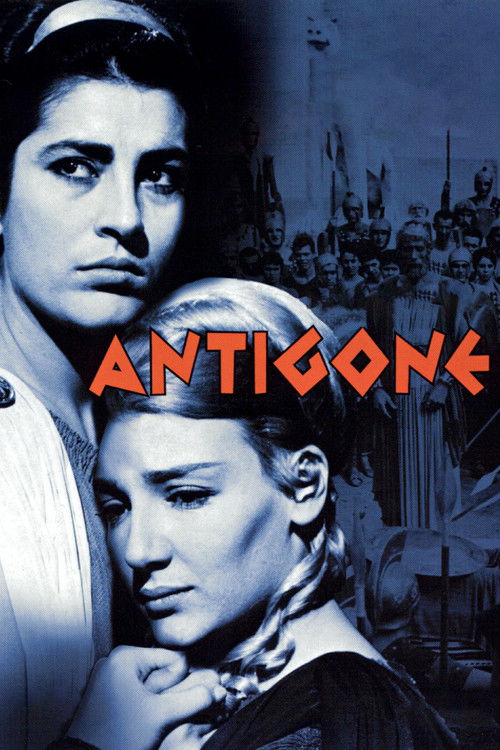
Yorgos Tzavellas
Runtime
93 minutes
Average Rating
No ratings yetNew Showbiz Analysis
The film stands out in its critique of gendered power dynamics, presenting a powerful female protagonist who challenges state authority. However, its historical setting limits its representation of modern diversity, particularly in terms of LGBTQ+, race, and disability. The film's strength lies in its deep thematic exploration of morality and personal ability to act.
Category Breakdown
The film follows traditional story structures and does not include any representations of LGBTQ+ identities or same-sex relationships.
Antigone emerges as a strong, active character who challenges male-dominated power structures. Her actions defy expectations of female passivity and drive the plot against the male rulers.
The film features a cast that reflects ancient Greek society, lacking modern casting techniques such as race-bending or diverse backgrounds.
The story examines moral relativism by contrasting divine laws with human-made laws. It highlights the protagonist's civil disobedience as a critique of rigid institutional authority.
Oedipus’s blindness is shown as a symbol of his tragic fate, serving as a narrative device rather than a detailed exploration of living with a disability.
Present on Screen
Limited or Absent
Official Synopsis
In Thebes in ancient Greece, King Oedipus kills his father and marries his mother Jocasta, having two sons - Eteocles and Polyneices - and two daughters - Ismene and Antigone. King Oedipus dies a beggar in the exile after gouging out his own eye, and Eteocle agrees to reign in Thebes in alternating years with Polynices. However, he refuses to resign after the first year and Polynieces raises an army and attacks Thebes, and they kill each other. The ruler of Thebes Creon decrees that Eleocles should have an honorable burial while the body of the traitor Polyneices should be left on the battlefield to be eaten by the jackals and vultures. However, Antigone, who was betrothed to Creon's surviving son Haemon, defies Creon's orders and buries her brother. When Creon is reported of the attitude of Antigone, he sentences her to be placed in a tomb alive. Antigone hangs herself in the tomb and Haemon tries to kill his father first and then he kills himself with his sword...
1950
1967
1962
1954
1962
2019
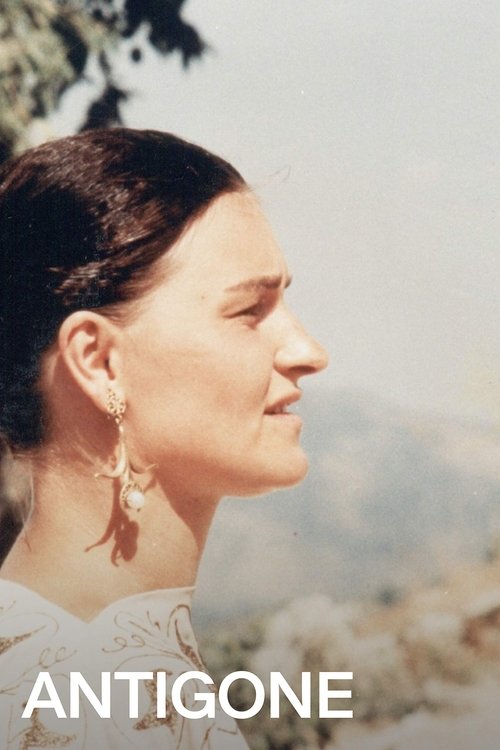
1992
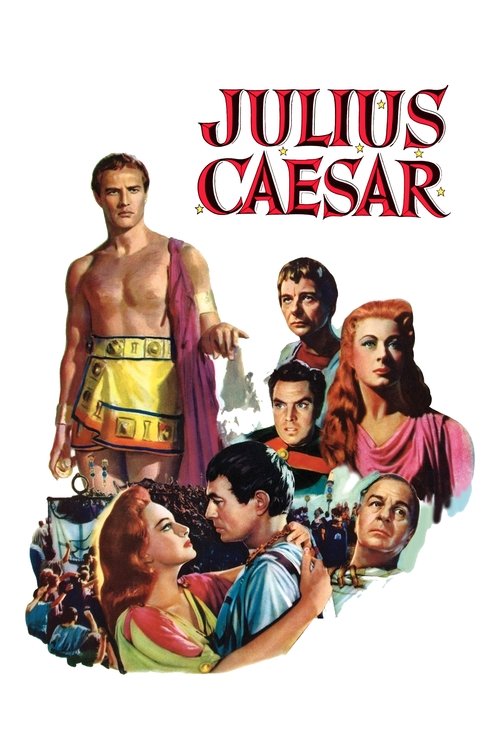
1953
No reviews yet. Be the first to share your thoughts on this movie!
Use the rating form above to leave a star rating and optional review.