Caminantes
2001
No user ratings available yet
Representation score: 7.5 out of 10
Representation Score
Fair
1998
Not RatedDirector
Nettie Wild
Runtime
93 minutes
Average Rating
No ratings yetNew Showbiz Analysis
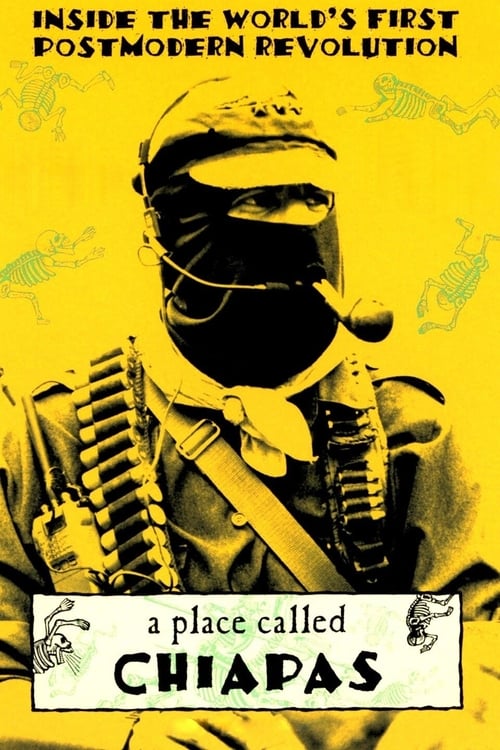
Nettie Wild’s documentary shifts the power dynamic from the observer to the observed, challenging traditional Western geopolitical hierarchies. By centering the Zapatista movement, the film avoids common journalistic clichés and offers a unique perspective on indigenous struggles. The film’s strength lies in its authentic portrayal of Mayan voices, providing a platform for them to define their own fight against neoliberal globalization and state exclusion. It successfully avoids the 'white savior' cliché prevalent in Western media. While the film excels in representing indigenous communities, it does not specifically address LGBTQ+ identities or disability-centric narratives. This omission reflects the specific socio-political context of the uprising rather than a lack of depth.
Category Breakdown
The film does not focus on LGBTQ+ narratives or non-cisgender identities, but instead emphasizes the political and communal mobilization of indigenous groups.
Women play a significant role in community organization and political struggle, demonstrating strong leadership and resilience in the face of adversity.
The documentary centers Mayan perspectives, allowing indigenous people to take full control over their stories. It avoids the white savior cliché by focusing on their lived experiences.
The film critiques Western dominance by presenting the struggle as a defense of indigenous sovereignty. It explores the connection between spirituality and political resistance against neoliberalism.
The film documents socioeconomic challenges and physical hardships faced by communities in Chiapas. However, it does not provide specific narratives focused on disabilities, either visible or invisible.
Present on Screen
Limited or Absent
Official Synopsis
In 1994, the Zapatista National Liberation Army, made up of impoverished Mayan Indians from the state of Chiapas, took over five towns and 500 ranches in southern Mexico. The government deployed its troops and at least 145 people died in the ensuing battle. Filmmaker Nettie Wild travelled to the country's jungle canyons to film the elusive and fragile life of this uprising.
2001
2011

1999
2002

2017
2015
1993

2013
No reviews yet. Be the first to share your thoughts on this movie!
Use the rating form above to leave a star rating and optional review.