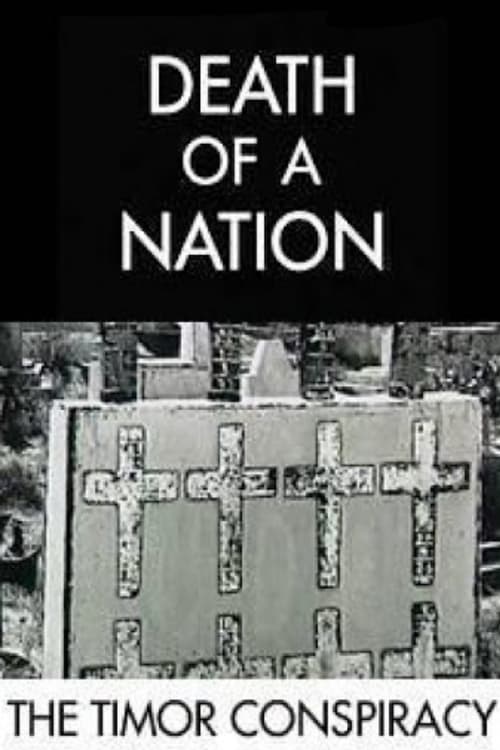
Death of a Nation: The Timor Conspiracy
1994
No user ratings available yet
Representation score: 8.7 out of 10

Representation Score
Limited
2004
Director
John Pilger, Sean Crotty
Runtime
56 minutes
Average Rating
No ratings yetNew Showbiz Analysis
Stealing a Nation is a powerful exercise in narrative deconstruction. By using a post-colonial lens, the film re-examines the relationship between imperial powers and displaced populations. It successfully challenges the perceived stability of Western geopolitical structures. The documentary's primary impact comes from its refusal to adhere to state-sanctioned history. Instead, it centers the ability to act of the Chagos Islanders, replacing official records with a narrative of resistance and reclaimed identity. While the film excels in racial and cultural critique, it remains narrow in its scope regarding individual identity markers. It functions more as a geopolitical investigation than a study of diverse personal demographics.
Category Breakdown
The documentary does not include any characters with LGBTQ+ identities or explore non-cisgender identities.
The film focuses on the collective experience of the displaced population and does not delve into individual gendered dynamics. It avoids traditional hierarchies but does not explicitly center feminist critique.
The film provides exceptional representation by centering the voices of the Chagos Islanders. It prioritizes lived experiences over official histories to disrupt Eurocentric narratives.
The narrative is deeply rooted in post-colonial critique. It challenges Western hegemony and the moral authority of institutions by framing displacement as a crime against humanity.
There is no specific evidence regarding the portrayal of physical or neurodivergent disabilities within the film's narrative.
Present on Screen
Limited or Absent
Official Synopsis
This tells a story literally 'hidden from history'. In the 1960s and 70s, British governments, conspiring with American officials, tricked into leaving, then expelled the entire population of the Chagos islands in the Indian Ocean. The aim was to give the principal island of this Crown Colony, Diego Garcia, to the Americans who wanted it as a major military base. Indeed, from Diego Garcia US planes have since bombed Afghanistan and Iraq. The story is told by islanders who were dumped in the slums of Mauritius and in the words of the British officials who left a 'paper trail' of what the International Criminal Court now describes as 'a crime against humanity'
1994

2011

2003

2012
1992

2005

2016
2020
No reviews yet. Be the first to share your thoughts on this movie!
Use the rating form above to leave a star rating and optional review.