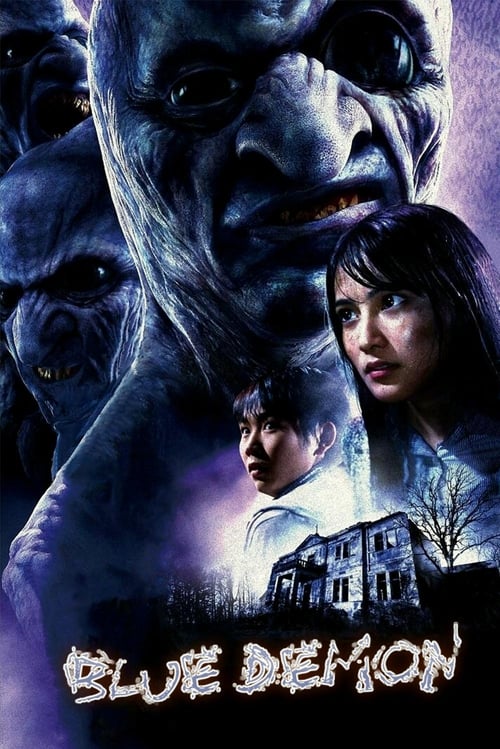
Blue Demon
2014
No user ratings available yet
Diversity score: 3.6 out of 10

1985
Director
Masayoshi Sukita
Runtime
54 minutes
Average Rating
No ratings yetSynopsis
The story is about a Journalist who becomes infected with a Japanese demon. The demon incubates in the mans stomach before Violently tearing its way up and out through the Journalists mouth (Complete with mouth splitting wide open). As soon as the Demon is "born" it is snatched away by a mysterious stranger. The Journalist (Yes, somehow he survived) soon discovers that the man who grabbed up the demon is in fact a former infectee who has developed a taste for the little demons, In fact they taste so good that when a person eats their flesh they then instantly become addicted to it.
Overall Score
Limited
Category Breakdown
LGBTQ+ Representation
The film lacks any evidence of non-cisnormative identities or same-sex intimacy. The narrative focus remains strictly on a male protagonist and a mysterious stranger.
Gender Representation
The story centers on a male journalist losing his bodily autonomy. There is no indication that the film subverts traditional gender hierarchies or explores masculinity in non-traditional ways.
Racial & Ethnic Diversity
As a Japanese production, the film operates within a non-Western framework. It utilizes indigenous folklore, though specific casting details regarding intersectional representation are unavailable.
Religious & Cultural Diversity
The film prioritizes local spiritual traditions over Western religious paradigms. By using the concept of the gakidama, it explores complex ideas regarding the afterlife and subjective morality.
Disability Representation
The protagonist's possession serves as a metaphor for the loss of physical and mental agency. This mirrors experiences of invisible illness, though it functions primarily as a horror device.
Strengths
Areas for Improvement
AI Analysis
The Demon Within is a genre-driven piece of folk horror that leans heavily into Japanese spiritualism. By utilizing the gakidama folklore, the film successfully avoids Western-centric religious tropes, providing a culturally specific experience rooted in local traditions. However, the film lacks depth in terms of social representation. The narrative prioritizes metaphysical mystery and the loss of individual agency over the exploration of marginalized identities or the deconstruction of social hierarchies. Ultimately, while the film offers a strong cultural anchor through its use of indigenous mythology, it remains a narrow character study focused on a singular male protagonist's struggle against the supernatural.
No reviews yet. Be the first to share your thoughts on this movie!
Use the rating form above to leave a star rating and optional review.