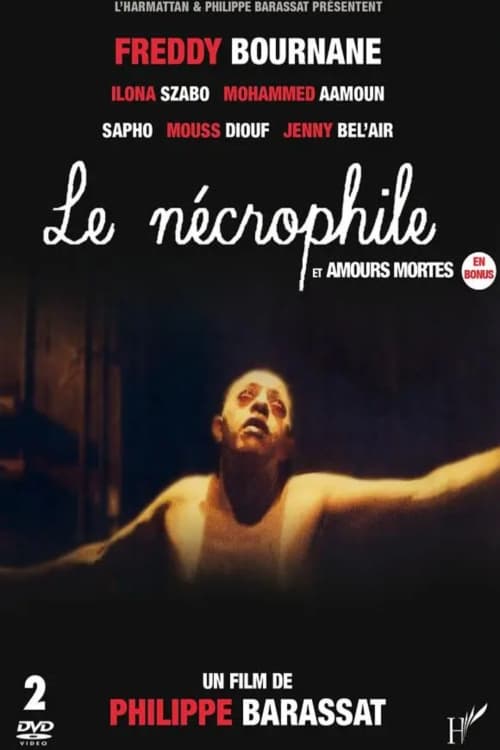
The Necrophile
2004
No user ratings available yet
Representation score: 3.3 out of 10
Representation Score
Fair
2005
Director
Osamu Fukutani
Runtime
92 minutes
Average Rating
No ratings yetNew Showbiz Analysis
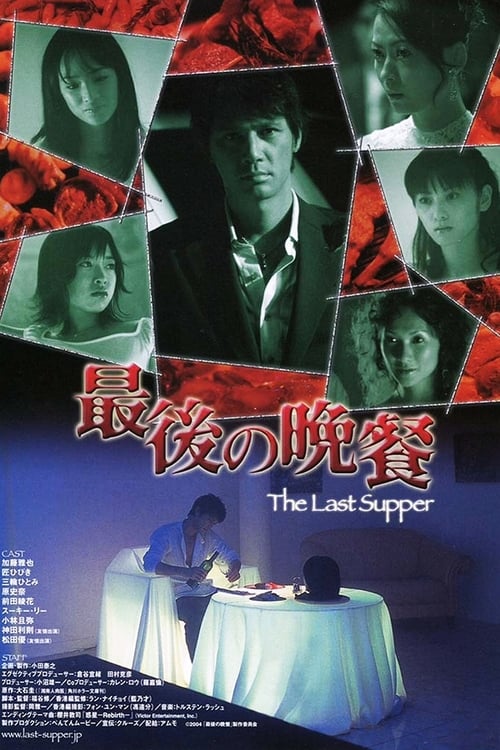
The Last Supper is a traditional horror film that emphasizes psychological horror and individual transgression. Its narrative structure revolves around a singular, pathological male perspective, limiting its multi-layered complexity. The film focuses on the visceral nature of addiction and a surgeon's descent into madness, avoiding broader social commentary. The themes center on personal desires and moral breakdown rather than systemic issues. Overall, the film operates within its specific Japanese cultural context, prioritizing the gruesome elements of the plot over social hierarchy critiques.
Category Breakdown
The film does not include non-cisgender gender identities and focuses on individual psychological issues rather than exploring queer communities or identities.
The story centers on a male plastic surgeon whose actions drive the plot. It does not challenge traditional gender roles or portray masculinity negatively.
The cast is primarily made up of Japanese actors, reflecting a specific cultural context without intentional diversity.
The story examines moral relativism through the protagonist's detachment from ethical frameworks. It does not offer a clear anti-Western or anti-capitalist critique.
The protagonist's psychological issues are portrayed through horror elements, serving as plot drivers rather than nuanced explorations of mental health conditions.
Present on Screen
Limited or Absent
Official Synopsis
A plastic surgeon who excels at his job hides a dark secret. After finally succumbing to his desire to taste human flesh, the surgeon soon finds himself addicted to the taste of his patients' skin, which leads him to discover further culinary delights at a seedy restaurant with some highly dubious special dishes. Murder and mayhem ensue as the demented doctor continues to find new and gruesome ways to satisfy his appetite.
2004
1987

2006
2004

1976

2011

1999
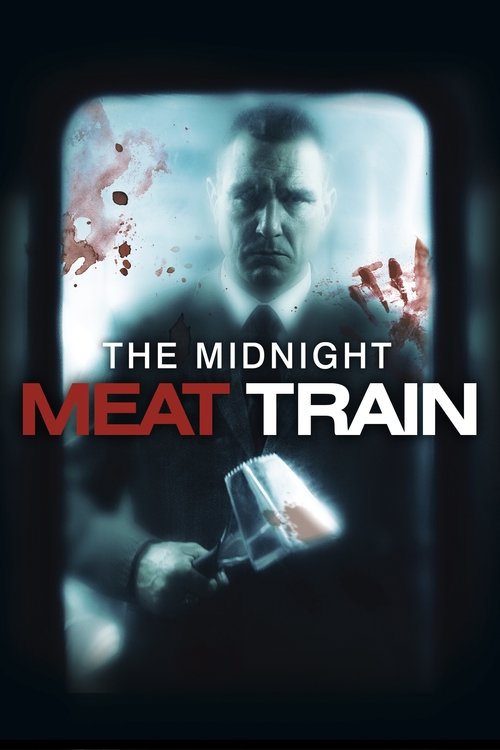
2008
No reviews yet. Be the first to share your thoughts on this movie!
Use the rating form above to leave a star rating and optional review.