
Angel of Darkness 2
1995
No user ratings available yet
Representation score: 4.0 out of 10
Representation Score
Limited
1996
Director
Mitsunori Hattori
Runtime
72 minutes
Average Rating
No ratings yetNew Showbiz Analysis
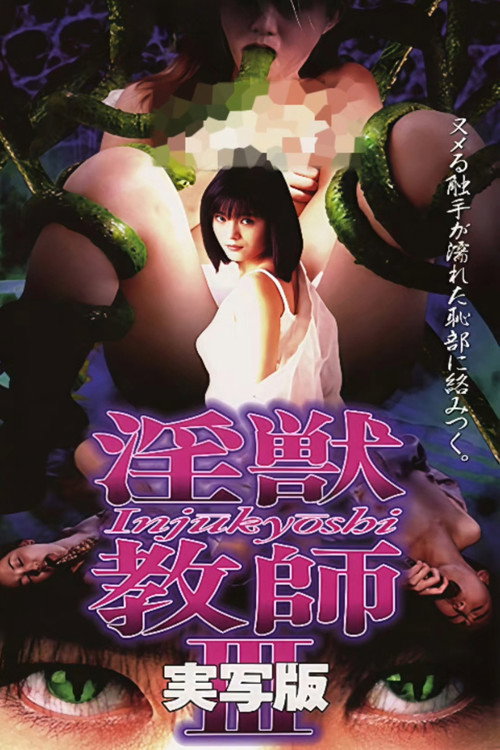
Angel of Darkness 3 is a visceral genre piece that prioritizes biological horror over social or identity-based exploration. The narrative architecture relies heavily on established horror clichés, specifically using the female body as a site of violation and spectacle. While the film features central female characters, they are framed through vulnerability rather than ability to act. The use of religious elements and physical transformations serves purely functional roles within a traditional supernatural framework, lacking any meaningful multi-layered depth or systemic critique.
Category Breakdown
The film focuses solely on biological horror and the movement of the Injuu. There are no queer romantic arcs or non-cisgender identities present.
Female characters like Manami and Fumie drive the physical action but primarily serve as victims of bodily violation. The film relies on traditional horror archetypes rather than subverting gender hierarchies.
The cast appears homogeneous, reflecting its regional production origins. There is no evidence of diverse casting intended to disrupt ethnic or Anglo-centric norms.
Religious iconography is used through a priest to facilitate exorcism. This follows a standard good-versus-evil dichotomy rather than offering a critique of religious institutions.
Physical impairments and unconsciousness are used as plot devices to move the antagonist. These states serve as sources of spectacle rather than portraying disability with dignity.
Present on Screen
Limited or Absent
Official Synopsis
Manami, the sole survivor of Angel of Darkness 2, is rushed to hospital where she slips into a deep sleep. A priest correctly suspects that the demon (now referred to as an Injuu) is inside Manami's body, but by the time he is able to confirm his theory, the creature has already moved on. As before, the tentacled beastie passes from host to host (by thrusting its slimy appendages into its victims' orifices), eventually ending up inside goody-goody schoolgirl Fumie, who does her best 'Linda Blair' impersonation for a while, before the priest inevitably turns up to save the day.
1995

1985

1995
1961
2001
2013
2004
1975
No reviews yet. Be the first to share your thoughts on this movie!
Use the rating form above to leave a star rating and optional review.