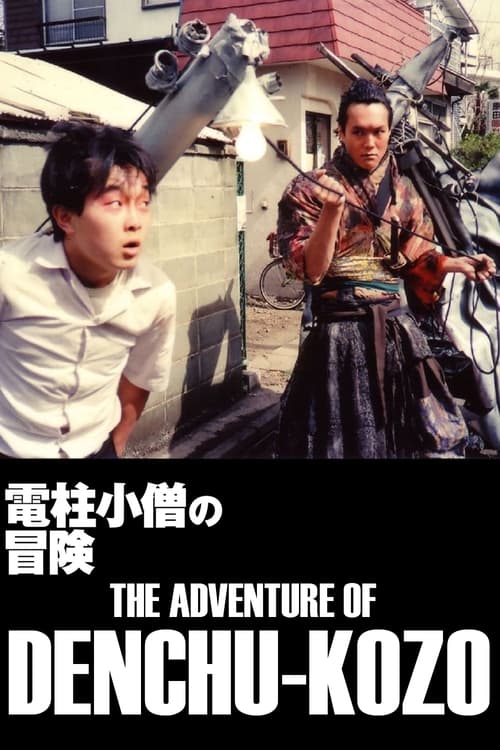
The Adventure of Denchu-Kozo
1987
No user ratings available yet
Representation score: 7.7 out of 10

Representation Score
Fair
1991
Director
Shinya Tsukamoto
Runtime
89 minutes
Average Rating
No ratings yetNew Showbiz Analysis
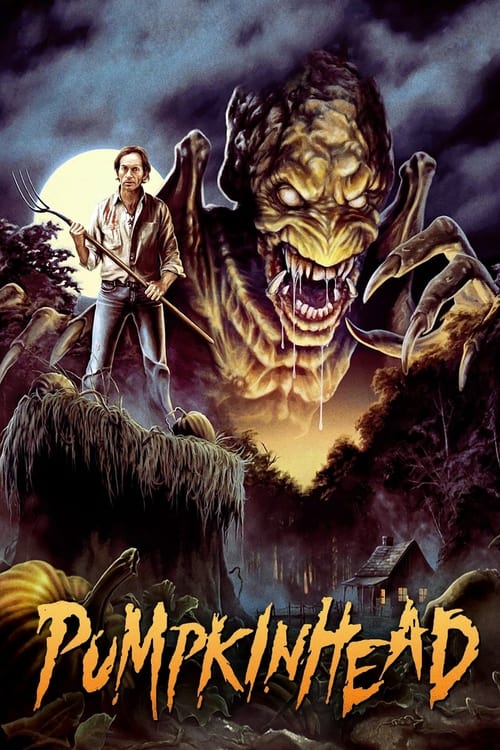
Hiruko the Goblin is a genre-driven work that emphasizes psychological disintegration and body horror over social identity issues. The narrative subverts the boundaries of the human form rather than addressing systemic social hierarchies. The story is centered on male characters, focusing on the investigation of gruesome deaths. While it avoids traditional patriarchal archetypes by presenting characters in states of chaotic vulnerability, it lacks diverse gendered perspectives. Culturally, the film is rooted in Japanese folklore. It critiques modern urban alienation through its industrial aesthetic, but it does not engage with broader demographic diversity.
Category Breakdown
The film does not include any identifiable LGBTQ+ characters or narratives. The plot focuses solely on the metaphysical horror of the goblin and the psychological unraveling of the main characters.
The story primarily revolves around male characters, particularly the professor and the student. There are no female characters who play a significant role in driving the narrative.
The cast is predominantly Japanese, reflecting the cultural context of the film. It does not incorporate diverse ethnic backgrounds or multi-layered casting.
The film employs a postmodern approach to question the stability of the human body. It examines fragmented identities through a gritty, industrial aesthetic and body horror.
The film does not depict any characters with disabilities or neurodivergent conditions. Transformations focus on supernatural elements rather than the lived experiences of individuals with disabilities.
Present on Screen
Limited or Absent
Official Synopsis
A school was built on one of the Gates of Hell, behind which hordes of demons await the moment they will be free to roam the Earth. Hiruko is a goblin sent to Earth on a reconnaissance mission. He beheads students in order to assemble their heads on the demons' spider-like bodies. Hieda, an archaeology professor, and Masao, a haunted student, investigate the gory deaths.
1987
1988
1998
1989

2000
1988

1991
1990
No reviews yet. Be the first to share your thoughts on this movie!
Use the rating form above to leave a star rating and optional review.