
Fighting Tommy Riley
2005
No user ratings available yet
Representation score: 3.2 out of 10
Representation Score
Fair
2025
PG-13Director
Jonathan Entwistle
Runtime
94 minutes
Average Rating
No ratings yetNew Showbiz Analysis
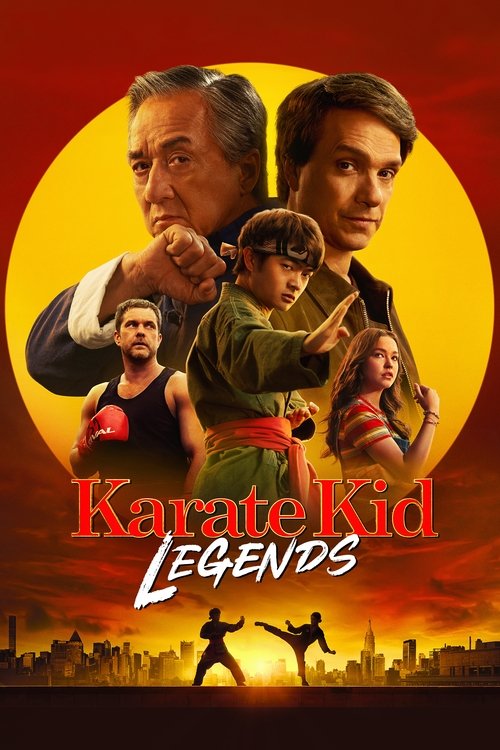
Karate Kid: Legends marks a progressive evolution for the franchise by centering a non-Western protagonist. By shifting focus from traditional American karate to a synthesis of Chinese Kung Fu and American styles, the film embraces cultural hybridity. The story uses the immigrant experience as a narrative engine, following Li Fong's displacement from Beijing to New York City. This shift allows for a more sophisticated exploration of identity compared to previous installments. However, the film's scope is limited by a lack of visible representation for LGBTQ+ identities or characters with disabilities. While the racial and cultural foundations are strong, the diversity of the supporting cast remains unmapped.
Category Breakdown
The story focuses on martial arts mentorship and relocation. There are no explicit mentions of LGBTQ+ characters or non-straight relationships.
A female maternal figure is central to the protagonist's journey after a family tragedy. This introduces nuanced gender roles, though the women's ability to drive the story in the martial arts arena is not confirmed.
The film centers on Li Fong, a Beijing-born prodigy, disrupting Western-centric clichés. The blending of Chinese Kung Fu and American Karate explores immigrant identity and cultural synthesis.
The film challenges Western martial arts dominance by positioning Kung Fu as a sophisticated discipline. It explores cultural hybridity and the complexities of the immigrant experience in New York City.
There is no information about characters with physical or neurodivergent disabilities in the provided story details.
Present on Screen
Limited or Absent
Official Synopsis
After a family tragedy, kung fu prodigy Li Fong is uprooted from his home in Beijing and forced to move to New York City with his mother. When a new friend needs his help, Li enters a karate competition – but his skills alone aren't enough. Li's kung fu teacher Mr. Han enlists original Karate Kid Daniel LaRusso for help, and Li learns a new way to fight, merging their two styles into one for the ultimate martial arts showdown.
2005
1994
2010
2020
2014
1989
1984

2021
No reviews yet. Be the first to share your thoughts on this movie!
Use the rating form above to leave a star rating and optional review.