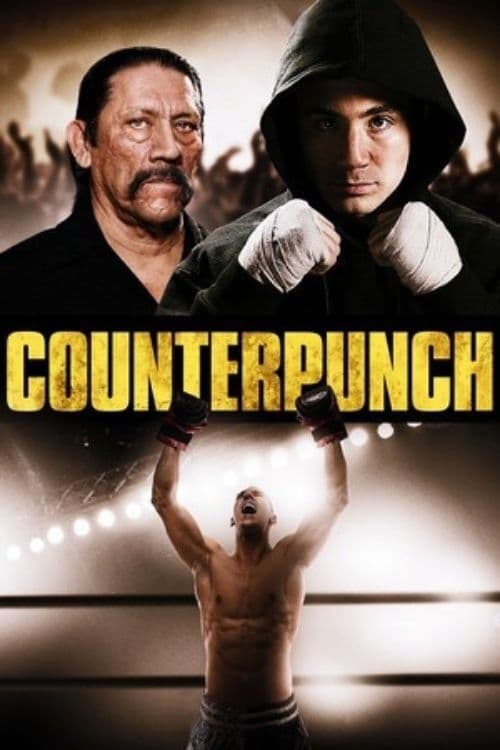
Counterpunch
2013
No user ratings available yet
Representation score: 3.6 out of 10

Representation Score
Limited
2005
RDirector
Eddie O'Flaherty
Runtime
109 minutes
Average Rating
No ratings yetNew Showbiz Analysis
Fighting Tommy Riley operates within a conventional genre framework, prioritizing individual storytelling over diverse representation. The narrative architecture relies on established character archetypes rather than intentional demographic disruption. The film's focus on a male-centric mentorship dynamic and personal redemption arcs suggests a reinforcement of traditional masculine and straight-centered structures. It functions primarily as a character-driven drama centered on personal merit. Ultimately, the production follows the standard conventions of early 2000s action-dramas, lacking significant evidence of systemic critique or diverse representation.
Category Breakdown
The film adheres to traditional structures that assume everyone is straight or cisgender. There is no evidence of queer-coded narratives or characters that challenge straight-centered assumptions.
The story focuses on a male-dominated mentorship between a trainer and a fighter. This reliance on male-centric conflict reinforces traditional masculine archetypes of physical struggle.
The narrative appears to follow standard genre-specific casting norms. There is no indication of characters of color playing a significant role in disrupting the status quo.
The film utilizes a classic 'second chance' cliché centered on individual redemption. It lacks a critique of systemic power dynamics or Western institutions.
While characters face personal struggles, there is no explicit evidence of disabilities being portrayed with specific narrative ability to act or as central to the plot.
Present on Screen
Limited or Absent
Official Synopsis
An aging trainer and a young fighter, both in need of a second chance, team-up to overcome the demons of their past...and chase the dreams of their future.
2013

2013
2015
2004

2010

2021
2017

1979
No reviews yet. Be the first to share your thoughts on this movie!
Use the rating form above to leave a star rating and optional review.