I Love Trouble
1948
No user ratings available yet
Representation score: 1.5 out of 10
Representation Score
Limited
1946
NRDirector
Edwin L. Marin
Runtime
87 minutes
Average Rating
No ratings yetNew Showbiz Analysis
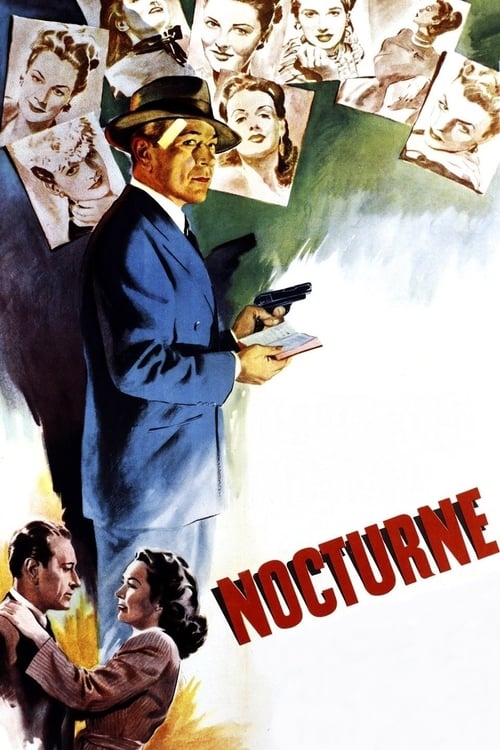
Nocturne is a classic 1940s noir that reflects the social and cinematic conventions of its era. It relies heavily on established genre clichés rather than challenging social hierarchies or promoting diverse representation. The film's strength lies in its period-specific ethnic complexity, particularly through the casting of Peter Lorre. However, the narrative structure largely reinforces traditional gender archetypes and social norms. Ultimately, the film serves as a standard crime drama that upholds the status quo of the post-war Hollywood era.
Category Breakdown
The film follows a traditional framework that assumes everyone is straight. There are no LGBTQ+ characters or diverse sexual orientations represented in the story.
Female characters often embody the femme fatale archetype, using their complex motivations to drive the plot. These women play a significant role in the story, though their power is often tied to moral ambiguity.
Peter Lorre's character adds ethnic diversity through his Central/Eastern European background. However, the film lacks prominent Black characters with substantial influence.
The story adheres to typical Western narrative structures of the mid-20th century. It functions as a character study within the social norms of the time.
There are no prominent depictions of visible or invisible disabilities in the film's narrative or character profiles.
Present on Screen
Limited or Absent
Official Synopsis
In 1940s Los Angeles, when womanizing composer Keith Vincent is found dead, the inquest concludes it was a suicide but police detective Joe Warne isn't so sure.
1948

1944
1956
1944
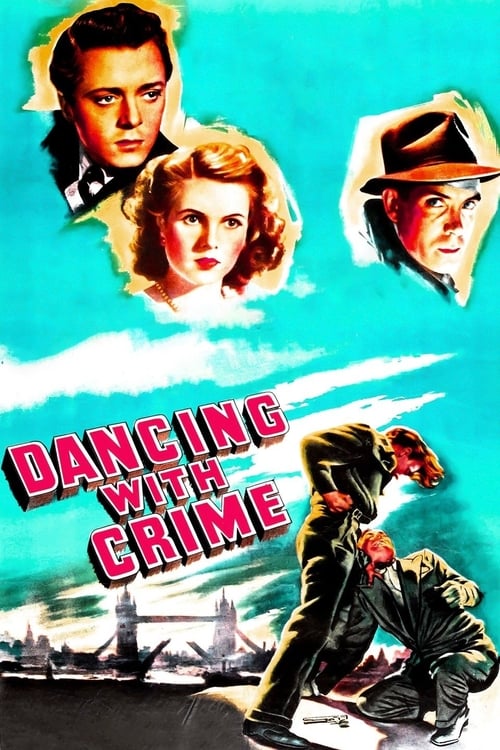
1947
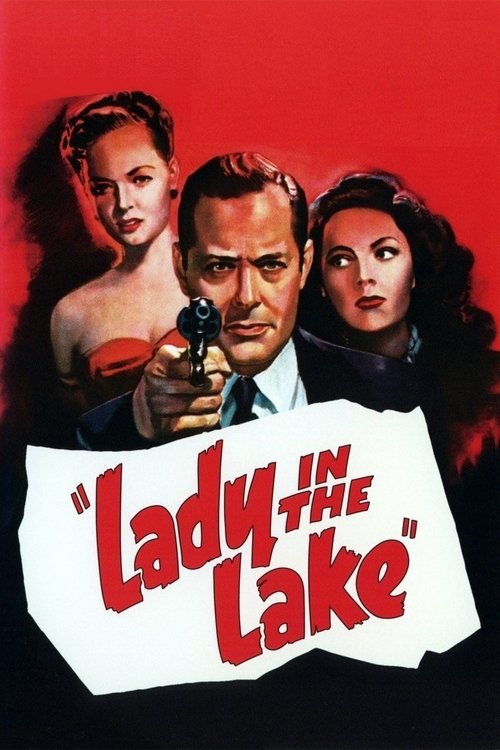
1946
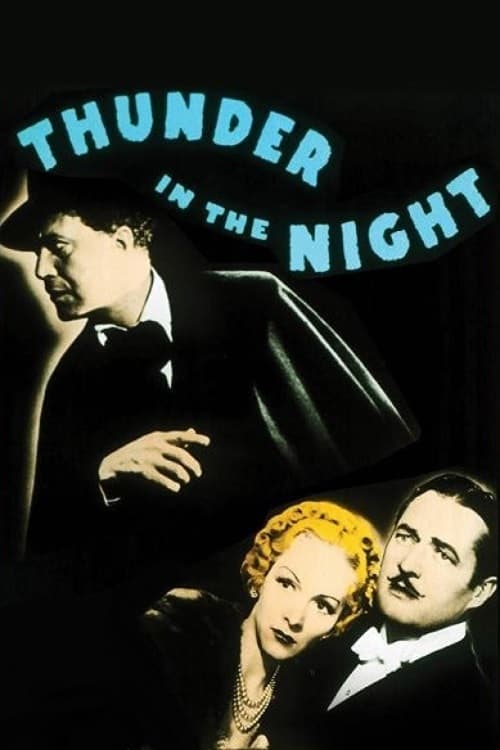
1935
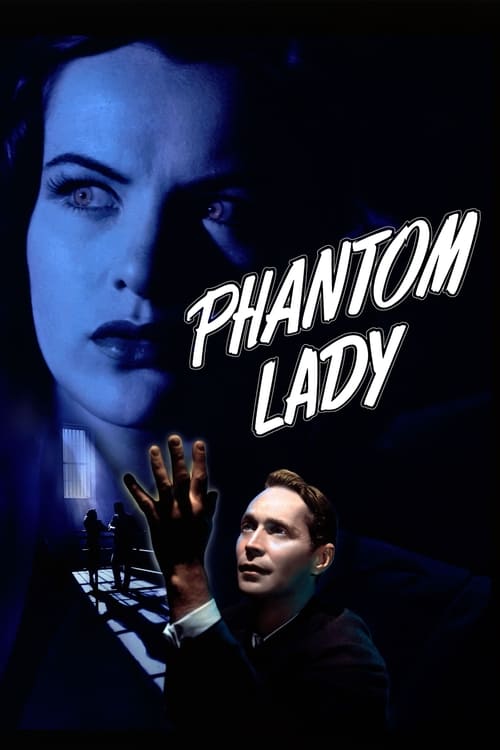
1944
No reviews yet. Be the first to share your thoughts on this movie!
Use the rating form above to leave a star rating and optional review.