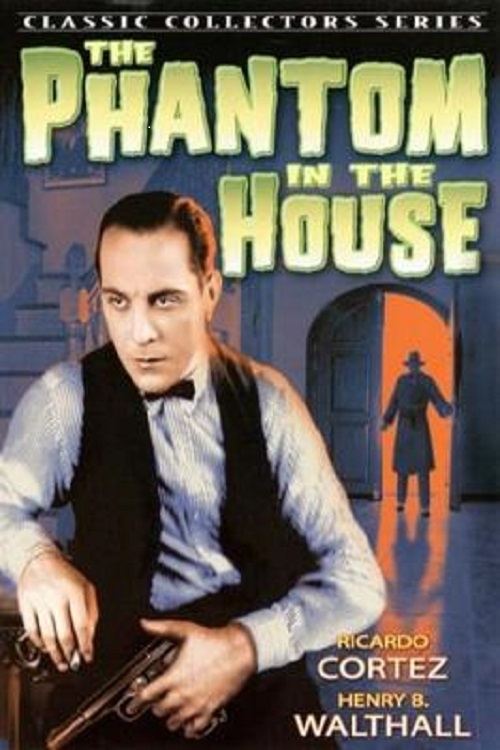
The Phantom in the House
1929
No user ratings available yet
Representation score: 0.4 out of 10
Representation Score
Minimal
1935
NRDirector
George Archainbaud
Runtime
69 minutes
Average Rating
No ratings yetNew Showbiz Analysis
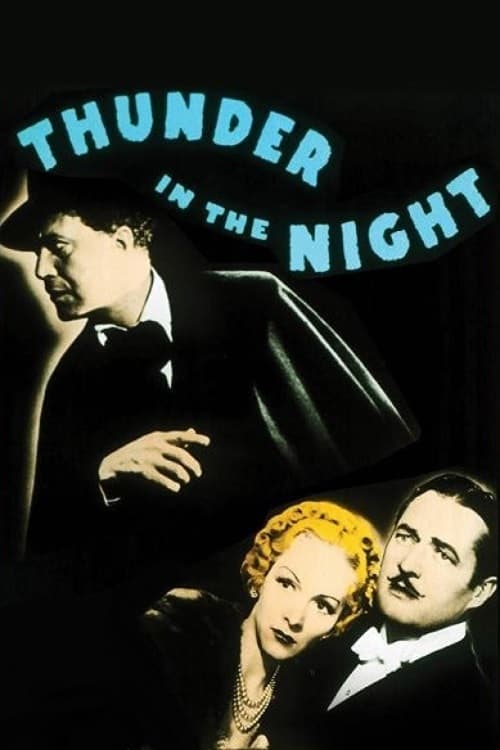
Thunder in the Night is a traditional 1935 crime mystery that adheres to the social norms of its era. The narrative focuses on political power, blackmail, and legal investigation, emphasizing established social hierarchies and institutional stability. The film does not explore storytelling that reflects multiple aspects of identity or intentionally challenge social norms. Instead, it relies on the conventions of the 1930s studio system, which prioritize maintaining the existing social and political order. Characters are defined by conventional gender and class structures, reflecting the homogeneous demographic norms of the time.
Category Breakdown
The movie focuses on heterosexual relationships and male friendships. It does not include any characters with non-binary or transgender identities, nor does it critique the assumption that everyone is straight or cisgender.
Female characters are often shown in vulnerable or suspicious situations, such as Madalaine, who seems to rely on her relationship with a male political figure to gain influence.
The Hungarian setting suggests a predominantly European ethnic context. The story likely follows the demographic norms of the time, without including diverse casting or perspectives from outside Europe.
The plot centers around protecting political status and solving crimes through state-aligned investigations. This reinforces traditional institutional stability rather than offering a critique of Western institutions.
There is no mention of physical or mental disabilities in the film.
Present on Screen
Limited or Absent
Official Synopsis
Officer Karl Torok's best friend, Count Alvinczy, is elected president of the Hungarian cabinet. Meanwhile, Alvinczy's wife, Madalaine, receives a message from a blackmailer, threatening her husband. When the blackmailer winds up dead, Madalaine appears to be the most likely suspect. Torok, however, knows the case is more complicated than it seems and dedicates himself to revealing the truth behind the mystery.
1929
1942
1933
1944
1923
1948
1948
1922
No reviews yet. Be the first to share your thoughts on this movie!
Use the rating form above to leave a star rating and optional review.