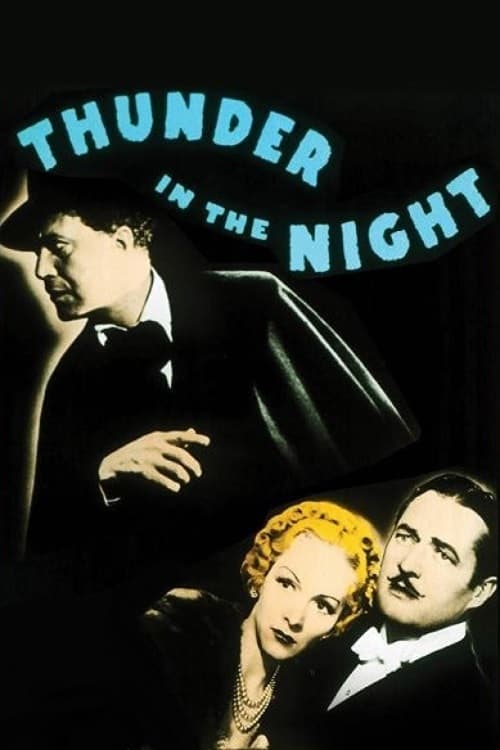
Thunder in the Night
1935
No user ratings available yet
Representation score: 0.6 out of 10
Representation Score
Minimal
1929
PassedDirector
Phil Rosen
Runtime
64 minutes
Average Rating
No ratings yetNew Showbiz Analysis
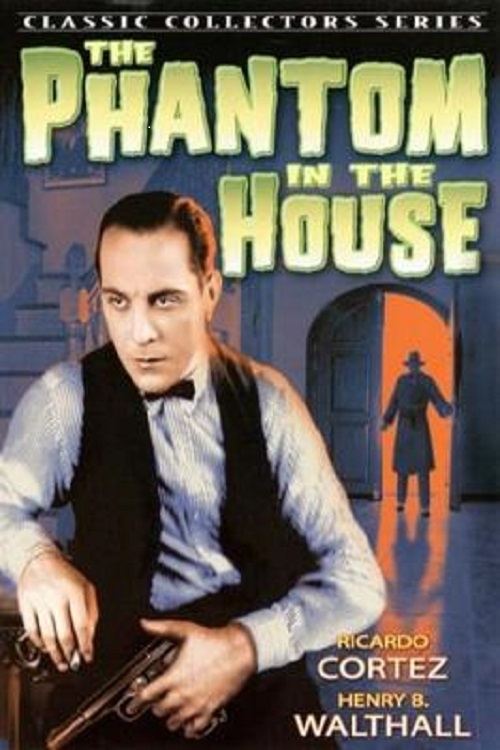
The Phantom in the House is a conventional 1929 crime drama that adheres to the social and moral frameworks of its time. The plot centers on a domestic mystery involving a husband framed for a crime committed by his wife, a cliché that reinforces traditional hierarchies rather than challenging them. The film lacks complexity in representing multiple aspects of identity, such as LGBTQ+ identities or disability. Its focus remains strictly on a standard domestic betrayal within a likely homogeneous social setting. Ultimately, the work functions as a standard genre piece of the early sound era, prioritizing traditional narrative structures over diverse characterization.
Category Breakdown
The film focuses on a traditional marital unit and does not include any non-straight or non-cisgender identities or same-sex intimacy.
The female protagonist drives the central conflict by committing a murder. However, the plot relies on clichés of domestic deception centered around the husband's victimization.
The film likely reflects the homogeneous casting standards of early Hollywood. There is no indication of significant non-Anglo-Saxon representation.
The narrative follows a standard moralistic mystery structure. It lacks anti-institutional, anti-capitalist, or secularist themes.
There is no information suggesting the inclusion of characters with physical or neurodivergent disabilities.
Present on Screen
Limited or Absent
Official Synopsis
A man is blamed for a murder that was actually committed by his wife.
1935
1944
1934

1930
1933
1931
1936
1937
No reviews yet. Be the first to share your thoughts on this movie!
Use the rating form above to leave a star rating and optional review.