The Night of Saint-Germain-des-Prés
1977
No user ratings available yet
Representation score: 3.9 out of 10
Representation Score
Minimal
1937
Director
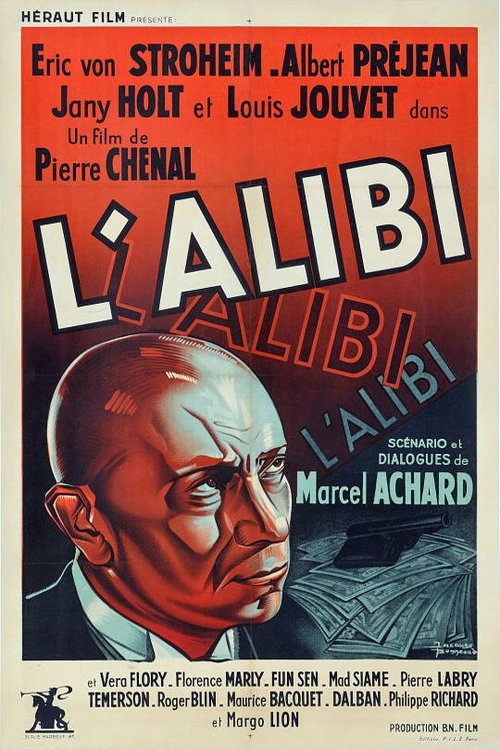
Pierre Chenal
Runtime
84 minutes
Average Rating
No ratings yetNew Showbiz Analysis
L'Alibi is a period crime mystery that emphasizes atmospheric tension and genre mechanics over social complexity. The narrative structure relies heavily on traditional clichés, especially concerning gender and power dynamics. The film reflects the cinematic constraints of 1937, presenting a largely homogeneous Eurocentric world. It lacks depth in representing multiple aspects of identity, focusing instead on a male-centric plot of crime and deception. While the film delves into the fringes of society through a telepathy performer, it does not challenge established social hierarchies or provide representation for underrepresented identities.
Category Breakdown
The film does not include any LGBTQ+ characters or non-straight identities. The plot revolves around a deceptive romantic alibi between a man and a woman, adhering to traditional heterosexual structures.
The story centers on male-driven conflict and police investigation. While Helene is a key figure, her role supports the male protagonist's scheme, reflecting a traditional hierarchy where women play supporting roles.
Set in 1937 Paris, the film follows the Eurocentric demographic norms of early 20th-century French crime cinema. There is no indication of a diverse or multi-ethnic cast.
The narrative explores moral complexity through themes of deception and telepathy. However, it operates within standard genre constraints without explicitly critiquing Western institutions or social ideologies.
There is no documentation of characters with visible or invisible disabilities. Disability is not used as a narrative device in this crime mystery.
Present on Screen
Limited or Absent
Official Synopsis
Paris, 1937. Winckler kills his enemy Gordon, a Chicago mobster, from the stage of a Parisian music hall, where he performs telepathy. He pays another artist, Helene, so that she tells the police they've spent the night together, which doesn't fool Callas, the police officer who investigates the murder. He hires one of his fellow officers in order to seduce Helene.
1977
1947
1933
1942
1939
1944
1938

1944
No reviews yet. Be the first to share your thoughts on this movie!
Use the rating form above to leave a star rating and optional review.