
The Man Outside
1933
No user ratings available yet
Representation score: 1.1 out of 10
Representation Score
Minimal
1933
Director
George A. Cooper
Runtime
58 minutes
Average Rating
No ratings yetNew Showbiz Analysis
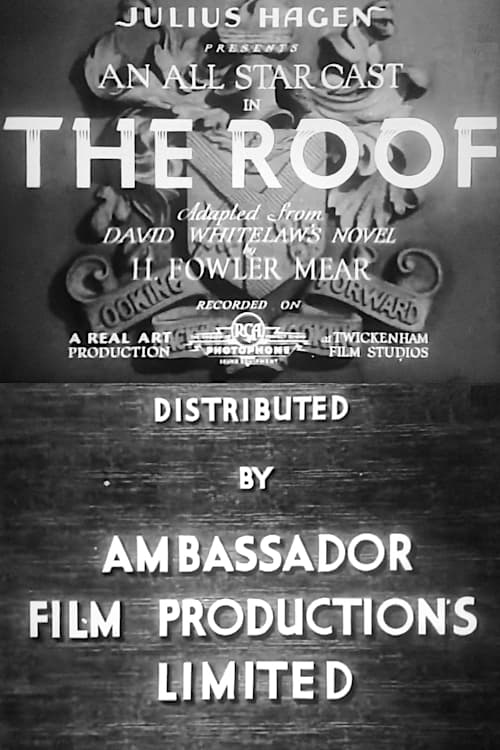
The Roof is a traditional crime procedural from the 1930s, reflecting the social and cinematic norms of its time. The story centers on a standard police investigation and does not engage with diverse identities or disrupt established social hierarchies. The film presents a homogeneous, upper-class setting and traditional authority figures, functioning as a typical mystery of the era without challenging or expanding upon the social norms of the time.
Category Breakdown
The film does not include any characters with non-straight or non-cisgender identities, nor does it show any same-sex relationships. It follows the traditional assumption that everyone is straight and cisgender, which was common in 1930s crime stories.
The story relies on traditional gender roles where men hold positions of power and women are confined to conventional roles. Inspector Darrow is the central figure of authority, and female characters do not challenge this hierarchy.
The film focuses on a wealthy, white character, reflecting the era's predominantly Anglo-Saxon demographic. There is no indication of a diverse cast or actors playing roles outside their traditional backgrounds.
The movie upholds the traditional social order and the authority of state institutions. It adheres to the moral and legal standards of early 20th-century society.
There is no information about the portrayal of characters with physical disabilities or neurodivergent conditions in this film.
Present on Screen
Limited or Absent
Official Synopsis
Inspector Darrow investigates the death of a wealthy man.
1933
1938
1932
1950
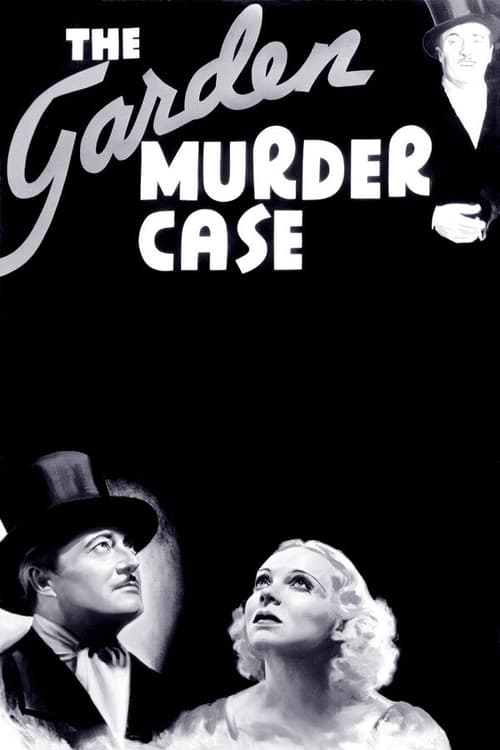
1936
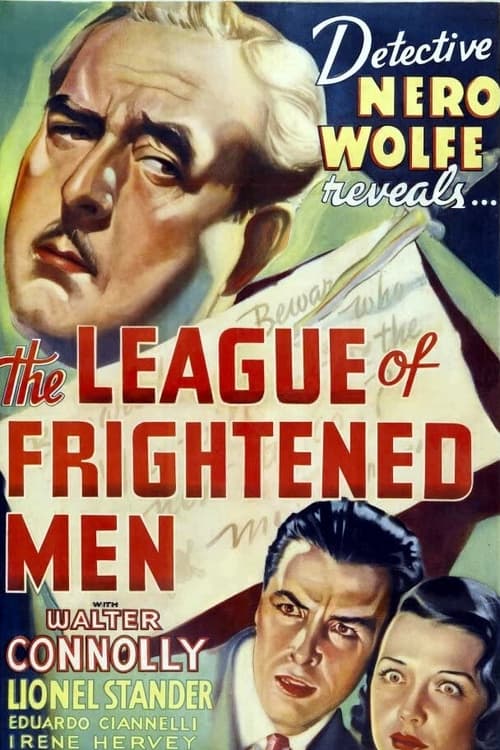
1937
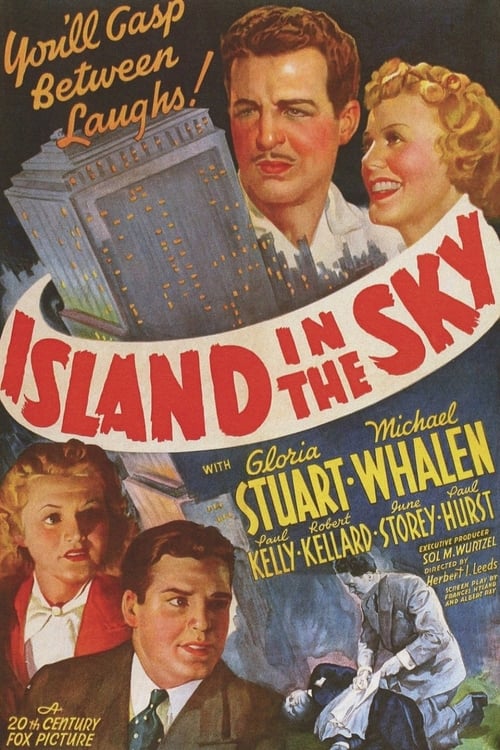
1938
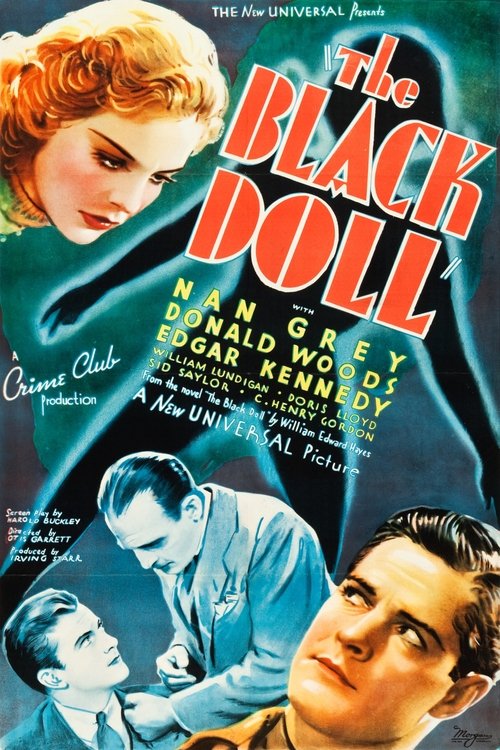
1938
No reviews yet. Be the first to share your thoughts on this movie!
Use the rating form above to leave a star rating and optional review.