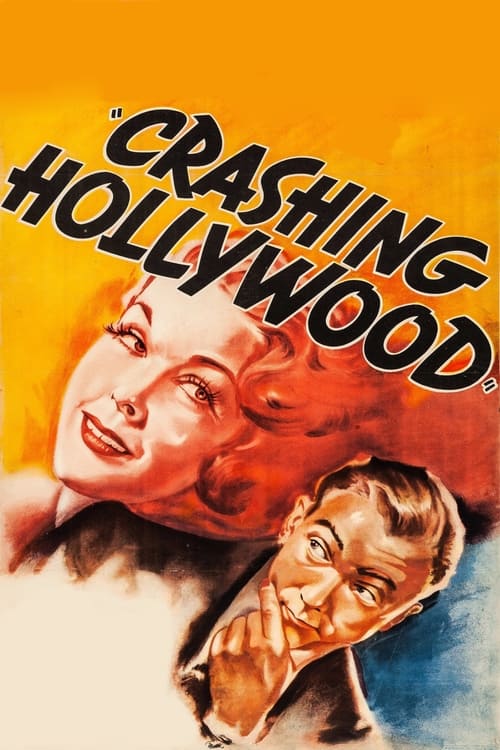
Crashing Hollywood
1938
No user ratings available yet
Representation score: 1.3 out of 10
Representation Score
Minimal
1947
PassedDirector
Edward L. Cahn
Runtime
62 minutes
Average Rating
No ratings yetNew Showbiz Analysis
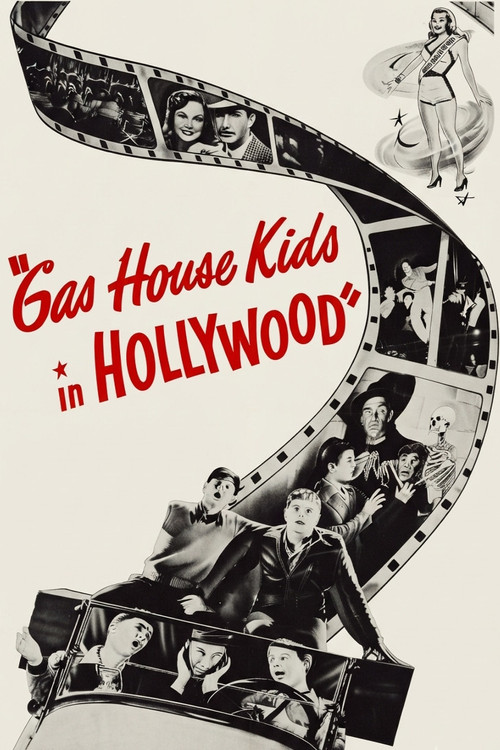
Hollywood's 'Gas House Kids' is a 1947 crime comedy that leans heavily into the populist, class-based clichés of its era. By positioning itself as a low-budget alternative to the Bowery Boys, the film prioritizes established urban stereotypes over diverse representation. The narrative structure favors a homogeneous, male-centric ensemble. This focus on working-class, white demographics reflects the standard commercial formulas of the mid-century studio system rather than an attempt to challenge social hierarchies. Ultimately, the film functions as a conventional genre piece. It lacks the layered depth or identity-driven narratives needed to disrupt the systemic social structures of the time.
Category Breakdown
The film does not include any characters with non-straight or non-cisgender identities. Given its 1947 release date, there are no representations of LGBTQ+ identities.
The story revolves around a male-dominated group known as the Gas House Kids. There is no indication of women taking a leading role or challenging traditional gender roles.
The film relies on urban stereotypes similar to those found in the Bowery Boys series. This suggests a focus on a homogeneous, white, working-class demographic without diverse casting.
The movie operates within a traditional comedic framework. It focuses on navigating existing social structures without offering any institutional or cultural critique.
There is no information available regarding the inclusion of characters with visible or invisible disabilities.
Present on Screen
Limited or Absent
Official Synopsis
The Gas House Kids, the very poor man's Bowery Boys, head for Hollywood.
1938
1938

1948
1928

1956

1940

1941

1973
No reviews yet. Be the first to share your thoughts on this movie!
Use the rating form above to leave a star rating and optional review.