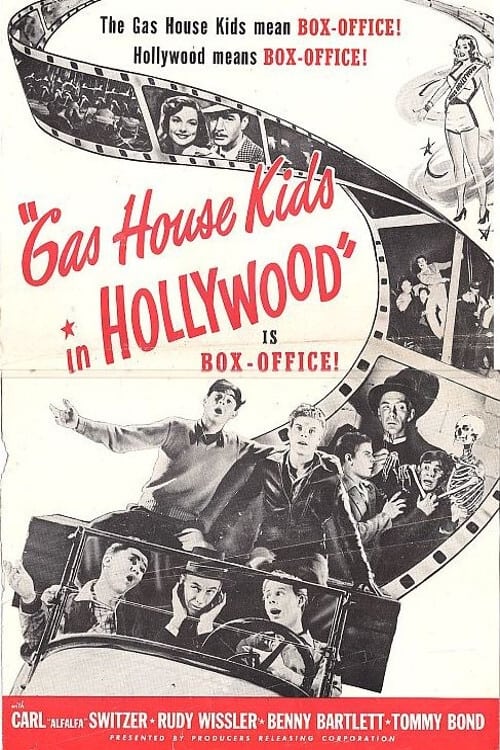
The Gas House Kids in Hollywood
1947
No user ratings available yet
Diversity score: 2.9 out of 10
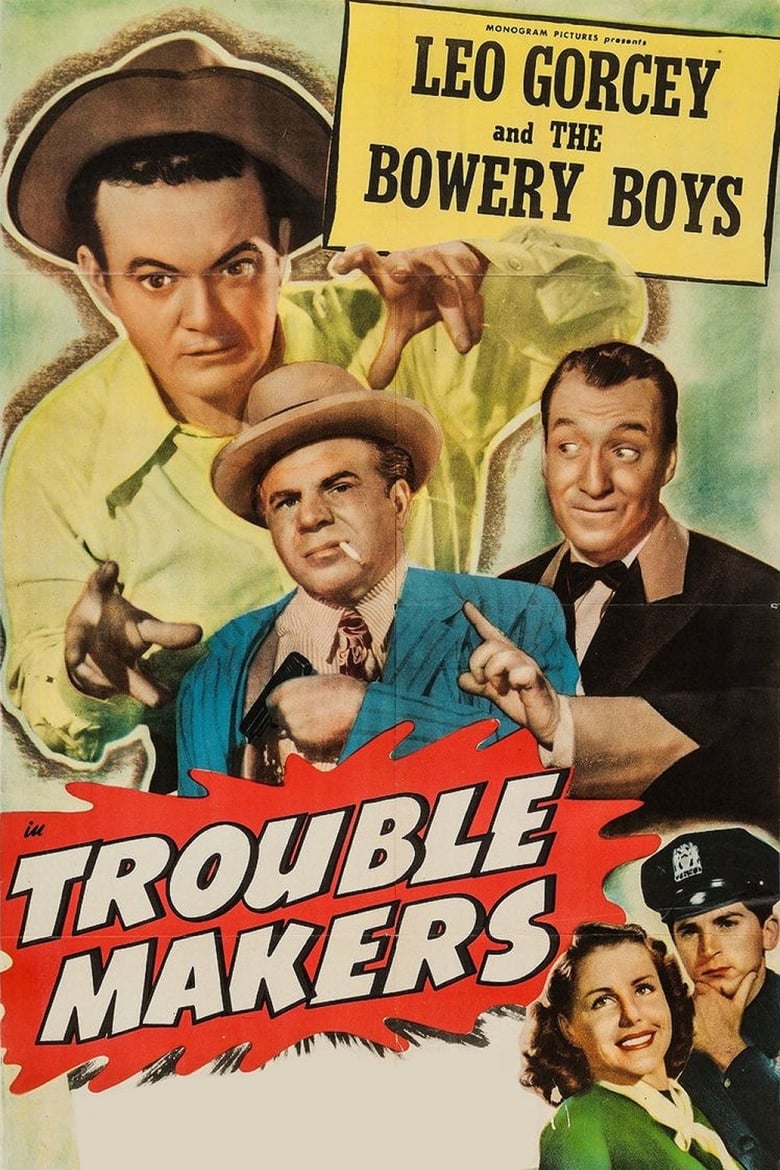
1948
ApprovedDirector
Reginald Le Borg
Runtime
66 minutes
Average Rating
No ratings yetSynopsis
Slip and Sach are in the sidewalk star-gazing business when they see a murder committed in a room at the El Royale Hotel.
Overall Score
Minimal
Category Breakdown
LGBTQ+ Representation
The film follows conventional mid-century social norms. There are no depictions of non-cisnormative gender identities or same-sex intimacy.
Gender Representation
Agency is concentrated within the male-dominated Bowery Boys ensemble. Female characters like Helen Parrish occupy supporting roles that do not challenge masculine-centric leadership.
Racial & Ethnic Diversity
The cast includes ethnic variety through actors like Gabriel Dell and Lionel Stander. However, the narrative does not center on racial intersectionality or subvert Anglo-centric norms.
Religious & Cultural Diversity
The story emphasizes community and law enforcement to reinforce social order. It lacks anti-institutional narratives, functioning instead as a standard genre piece.
Disability Representation
There is no discernible representation of physical, sensory, or neurodivergent disabilities. Characters are portrayed through standard comedic archetypes.
Strengths
Areas for Improvement
AI Analysis
Trouble Makers serves as a historical snapshot of 1948 mainstream cinema, prioritizing genre-driven entertainment over social deconstruction. The narrative relies heavily on established character archetypes and traditional power dynamics typical of the Monogram Pictures studio era. The film reinforces mid-century social hierarchies rather than challenging them. While the ensemble cast offers some ethnic variety, the central focus remains on a masculine-centric group operating within a heteronormative framework. Ultimately, the work functions as a standard crime-comedy. It lacks intentionality regarding identity or intersectionality, instead upholding the stability of the existing social fabric through its comedic structure.
1947
1966
1955
1940
1922
1977
1954
1967
1956
2013
1942
1935
No reviews yet. Be the first to share your thoughts on this movie!
Use the rating form above to leave a star rating and optional review.