
Pick-up
1933
No user ratings available yet
Representation score: 1.8 out of 10
Representation Score
Minimal
1933
PassedDirector
Edward L. Cahn
Runtime
70 minutes
Average Rating
No ratings yetNew Showbiz Analysis
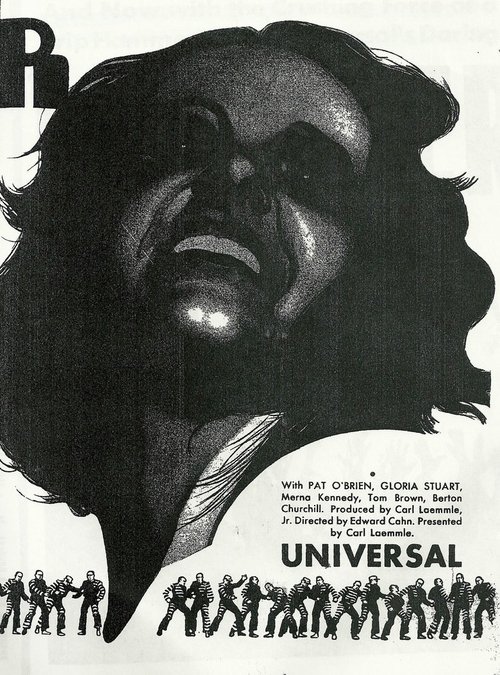
Laughter in Hell is a period crime drama that adheres strictly to the social hierarchies and moral frameworks of the early 1930s. The narrative structure relies on conventional clichés of domestic betrayal and state-mandated punishment. The film lacks intentionality regarding diverse storytelling. It functions as a traditional melodrama where the conflict is driven by established gendered expectations and moral retribution rather than any subversion of social norms. Ultimately, the work provides a narrow view of the human experience, focusing on a singular, traditional crime narrative without diversifying its cast or thematic scope.
Category Breakdown
The story revolves around a crime of passion involving a husband, wife, and lover. It does not include characters with non-traditional gender identities and follows traditional melodramatic themes rather than exploring queer narratives.
The plot centers on domestic infidelity and violent conflict. While the wife demonstrates ability to act through her affair, the narrative reinforces traditional marital expectations and punitive consequences for transgressions.
The film likely reflects the homogeneous casting standards of early 1930s Hollywood. There is no evidence of non-white or non-Anglo-Saxon characters driving the central plot.
The narrative is rooted in traditional moralism and legalistic authority. It emphasizes moral retribution and the reinforcement of social order through the depiction of criminal consequences.
There is no evidence of characters with visible or invisible disabilities within the film's premise or context.
Present on Screen
Limited or Absent
Official Synopsis
In the late 1800s, a man is sentenced to life at hard labor for killing his wife and her lover.
1933

1939
1932

1937

1932
1939
1931
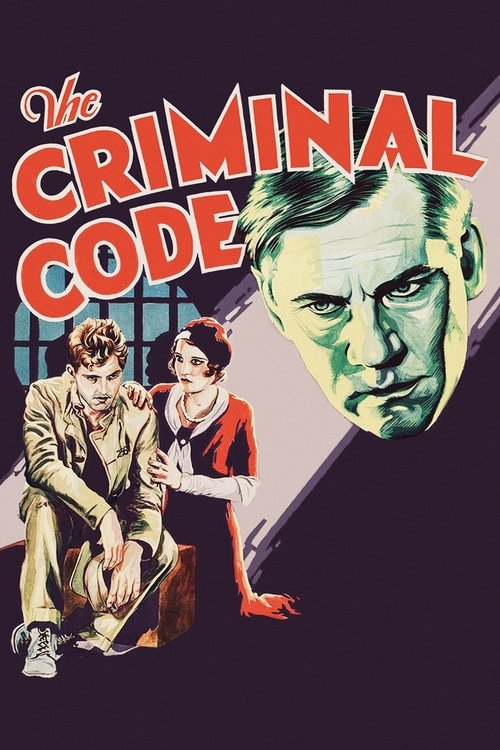
1931
No reviews yet. Be the first to share your thoughts on this movie!
Use the rating form above to leave a star rating and optional review.