A Day's Pleasure
1919
No user ratings available yet
Representation score: 0.4 out of 10
Representation Score
Minimal
1916
NRDirector
Allan Dwan
Runtime
44 minutes
Average Rating
No ratings yetNew Showbiz Analysis
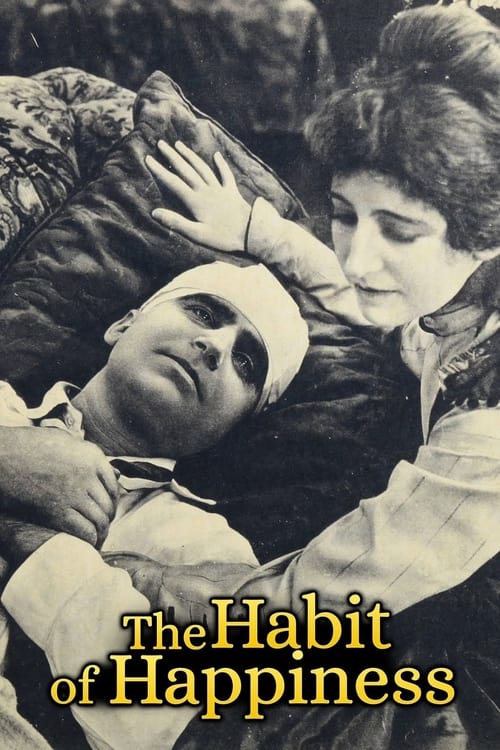
The Habit of Happiness is a period-specific comedy that adheres strictly to the social and narrative norms of 1916. While the protagonist, Sunny Wiggins, provides a comedic disruption to his wealthy family's rigidity, this friction is rooted in temperament and class rather than systemic subversion. The film lacks intentionality regarding diverse representation and operates within the homogeneous social structures of the era.
Category Breakdown
The film does not include any characters with non-straight sexual orientations or same-sex relationships. It follows the conventional social structures typical of the early 20th century.
The plot centers around a traditional coming-out party, reinforcing era-specific gender roles. While the protagonist challenges family decorum, he does not challenge patriarchal structures.
The story focuses on a wealthy family and a group of derelicts. There is no indication of diverse casting or the inclusion of non-Anglo-Saxon characters.
The conflict explores tensions between institutional wealth and optimistic lifestyles. It functions as a class-based comedy rather than a critique of Western institutions or religious morality.
There is no evidence of characters with visible or invisible disabilities within the narrative.
Present on Screen
Limited or Absent
Official Synopsis
Douglas Fairbanks stars as "Sunny" Wiggins, who believes in eternal optimism and good spirits. This places Wiggins at odds with his staid, wealthy family, who decide to get even when he blithely invites a group of derelicts to his sister's coming-out party.
1919
1926

1918
1927
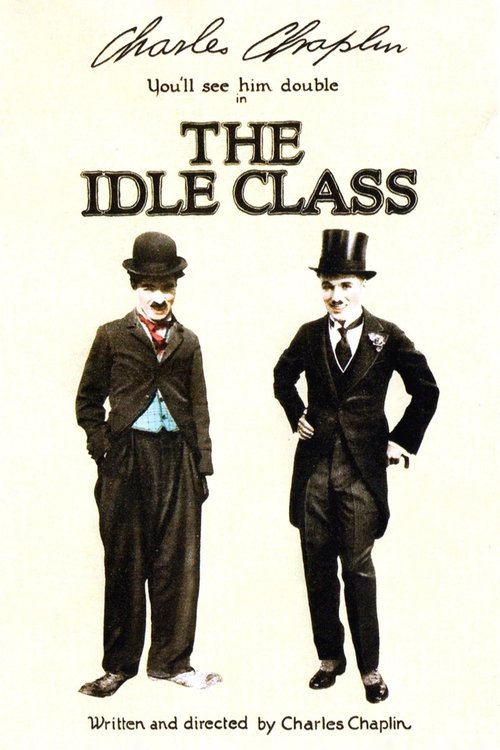
1921
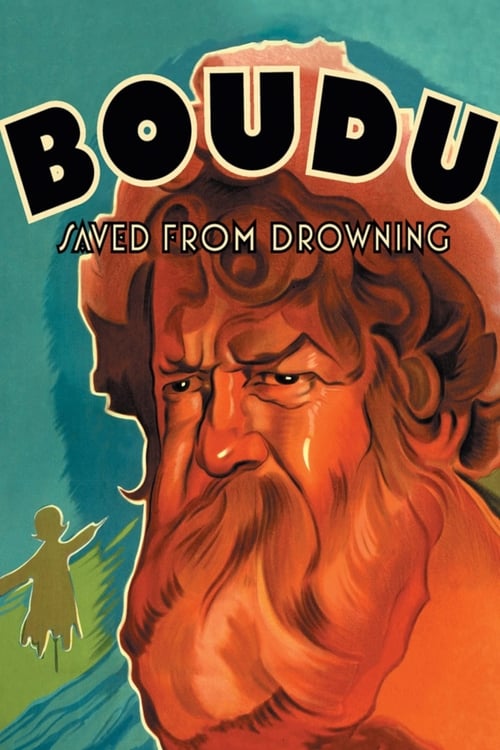
1932
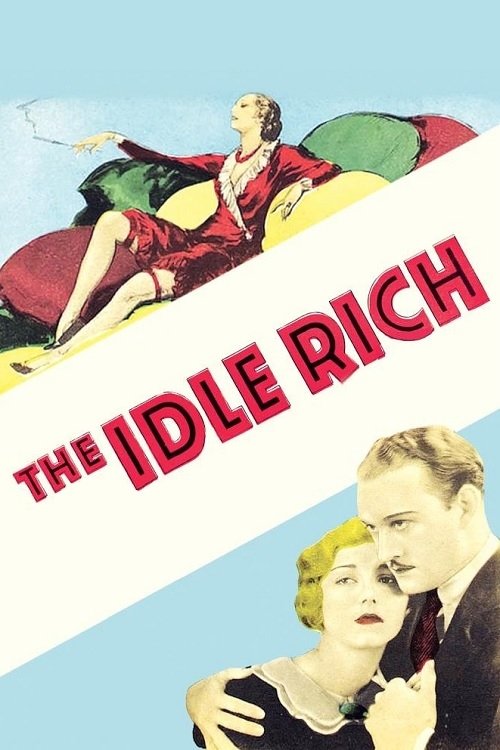
1929
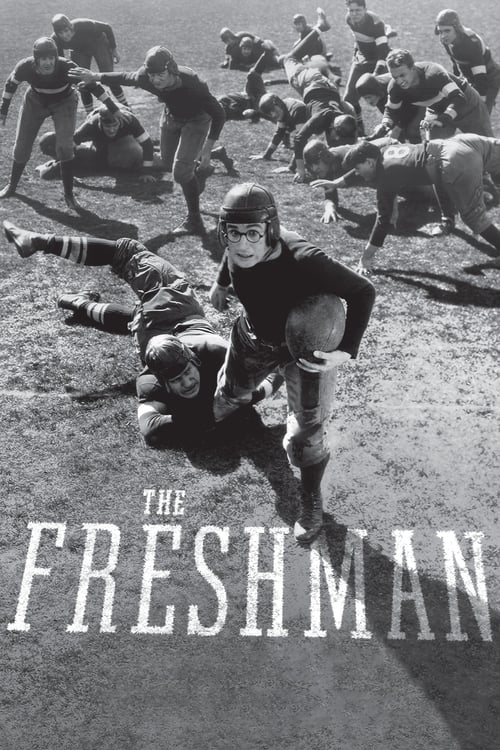
1925
No reviews yet. Be the first to share your thoughts on this movie!
Use the rating form above to leave a star rating and optional review.