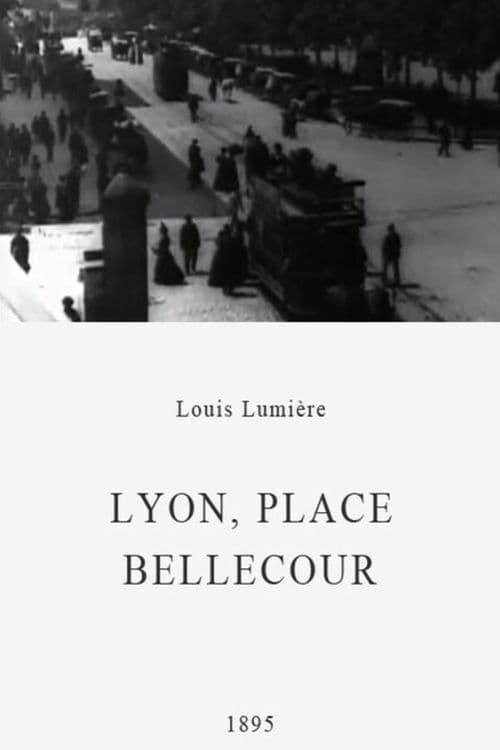
Lyon, place Bellecour
1895
No user ratings available yet
Representation score: 0.5 out of 10

Representation Score
Limited
1928
Director
Joris Ivens
Runtime
4 minutes
Average Rating
No ratings yetNew Showbiz Analysis
Joris Ivens' documentary focuses on the dynamic movement of the city rather than individual characters. It prioritizes the energy of the machine age over personal identity issues. The film's strength lies in its modernist approach, which avoids traditional storytelling methods. By focusing on the collective rhythm of Paris, it moves away from the moral standards typical of the era. While the film does not provide multi-layered depth, its observational style offers a unique look at the systemic rhythms of a modernizing society.
Category Breakdown
The film does not include any specific LGBTQ+ characters or stories. It focuses mainly on the movement of vehicles and pedestrians in the city.
The film portrays Parisians in a functional role within the city's daily life. It avoids the typical gender stereotypes found in 1920s cinema.
The documentary captures the diverse racial makeup of early 20th-century Paris. It presents a neutral view of the time's social structure without promoting stereotypes.
The film emphasizes the modernist, machine-age spirit rather than religious themes. It highlights the raw, unadorned movement of the city.
There is not enough information to evaluate the representation of disabilities. The focus is on the patterns of traffic and movement in the city.
Present on Screen
Limited or Absent
Official Synopsis
A study of traffic movement in Paris.
1895

1927
1954
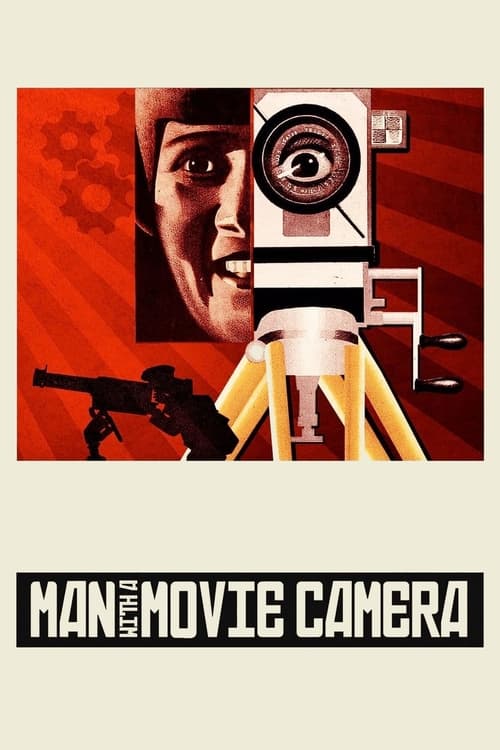
1929

1957
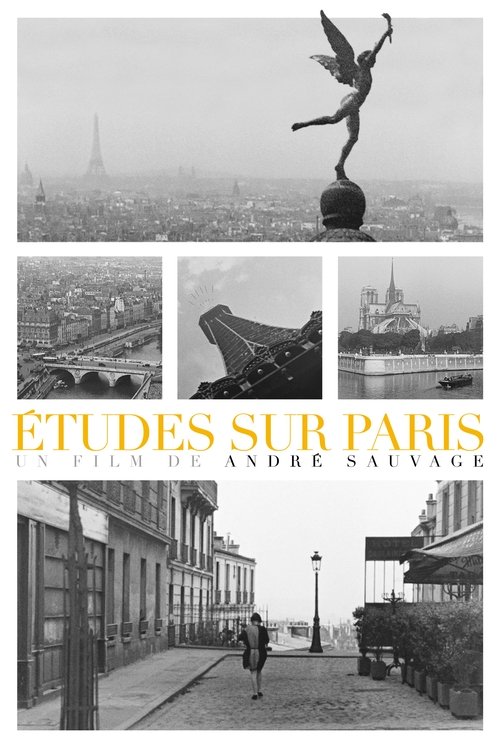
1928
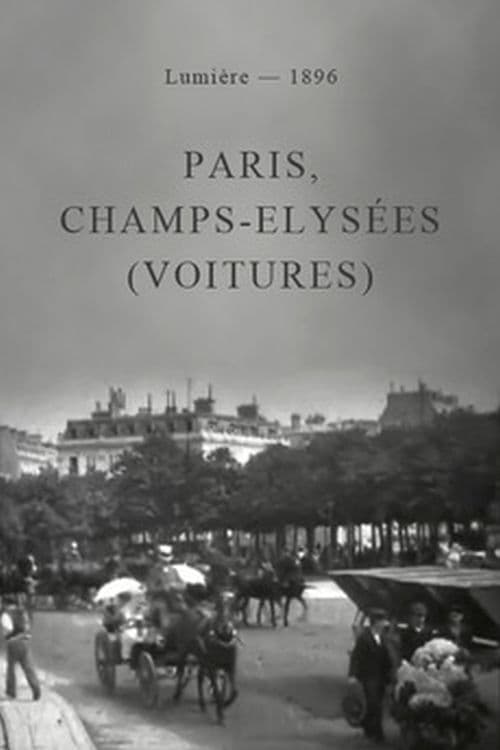
1896
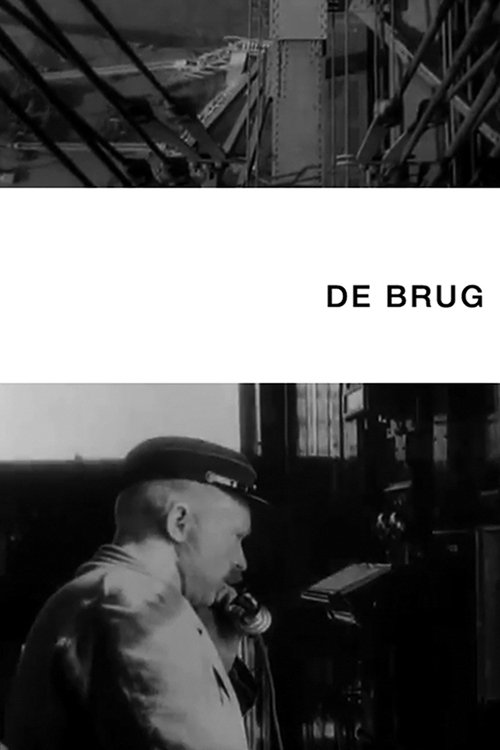
1928
No reviews yet. Be the first to share your thoughts on this movie!
Use the rating form above to leave a star rating and optional review.