Let the Child Be the Guide
2017
No user ratings available yet
Representation score: 8.3 out of 10
Representation Score
Excellent
2015
TV-14Director
Amanda Wilder
Runtime
88 minutes
Average Rating
No ratings yetNew Showbiz Analysis
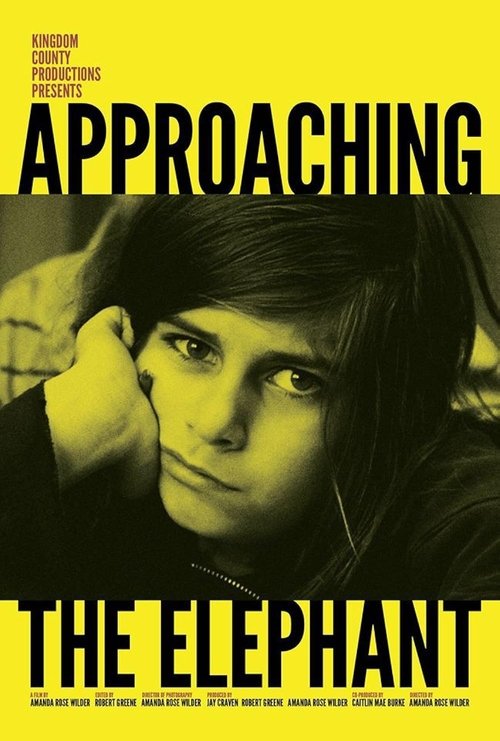
Approaching the Elephant succeeds as a critique of traditional Western institutions. Its strength lies in documenting a decentralized power dynamic that prioritizes individual ability to act over rigid, top-down hierarchies. While the film's structure is progressive, it lacks explicit demographic visibility. The narrative focuses more on pedagogical philosophy than on specific identity-based representation, such as race or sexual orientation. Ultimately, the documentary offers a study of an alternative social contract. It challenges the standard capitalist and state-driven models of education through its commitment to communal justice and democratic governance.
Category Breakdown
The film does not explicitly depict LGBTQ+ characters or themes. However, the free school's rejection of rigid social norms creates a supportive environment for non-traditional identities.
The documentary disrupts traditional gender hierarchies by treating children and staff as equals. It challenges patriarchal models of leadership and discipline.
The film focuses on socio-educational dynamics within a specific community. There is insufficient evidence to confirm a diverse racial or ethnic cast beyond a range of educational backgrounds.
The narrative critiques standard Western institutional norms by highlighting optional classes and democratic rule-making. It prioritizes subjective experience over state-mandated, standardized curricula.
The school model provides a platform for neurodivergent individuals to exist outside traditional behavioral expectations. The emphasis on liberty suggests an environment that accommodates diverse cognitive needs.
Present on Screen
Limited or Absent
Official Synopsis
APPROACHING THE ELEPHANT is a feature-length documentary about The Teddy McArdle Free School, where classes are optional and rules are made by democratic vote. Summerhill, founded 90 years ago by A. S. Neill, was the first free school - now there are more than 200 worldwide. Approaching the Elephant chronicles a free school in the making - spanning two years, from Teddy McArdle's first day when there were no rules or classes, through the changing of the school's director and the expulsion of a student by democratic vote, to the last day of the second year, APPROACHING THE ELEPHANT is an intimate portrait of a small group of people from a range of educational backgrounds, come together to forge a place where children are treated as equals, at liberty to spend their days however they please.
2017
2002
2012

2020
2017
2015
1994
1962
No reviews yet. Be the first to share your thoughts on this movie!
Use the rating form above to leave a star rating and optional review.