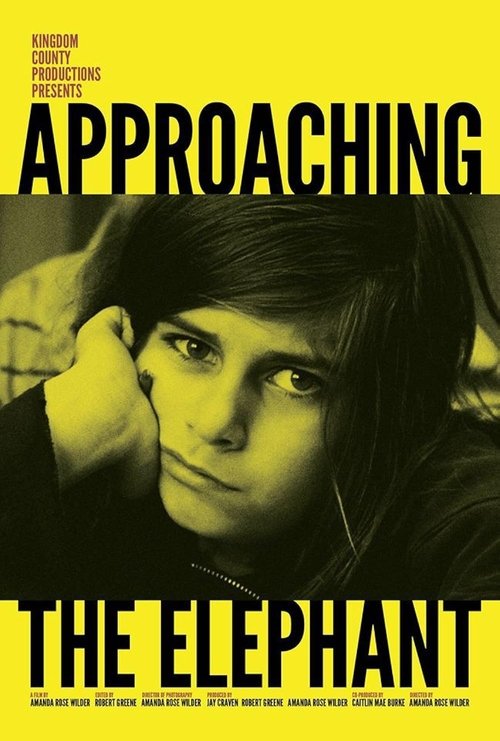
Approaching the Elephant
2015
No user ratings available yet
Representation score: 8.8 out of 10

Representation Score
Excellent
2017
Director
Alexandre Mourot
Runtime
0 minutes
Average Rating
No ratings yetNew Showbiz Analysis
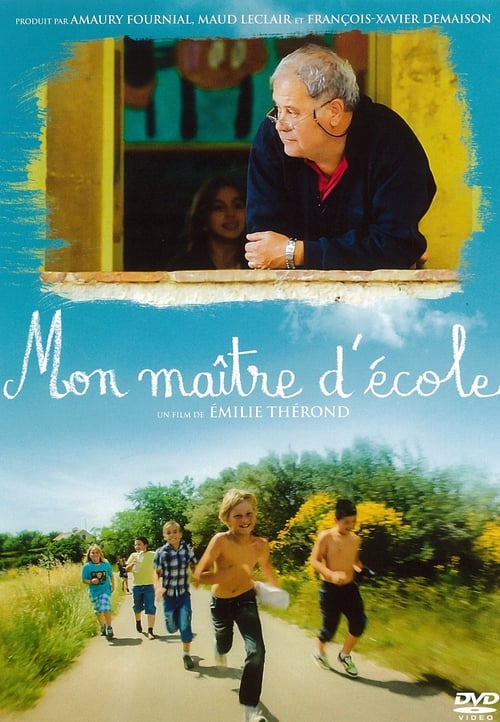
Alexandre Mourot’s documentary serves as an observational study of early childhood development. Instead of focusing on overt identity politics, the film challenges traditional educational hierarchies. By shifting the narrative focus from adult authority to child autonomy, the film suggests a decentralized approach to social organization and peaceful coexistence. While it does not explicitly represent specific underrepresented identities, it emphasizes individual ability to act and diverse learning styles.
Category Breakdown
The film focuses on a classroom of young children aged three to six years old. There are no direct references to LGBTQ+ identities or queer-coded narratives.
The documentary challenges traditional power dynamics by highlighting the role of children rather than adults. It does not specifically address gender roles but instead questions the usual adult-as-authority dynamic.
Set in a French Montessori school, the film emphasizes universal teaching methods. There is no specific information about the racial or ethnic makeup of the students.
The film critiques strict Western educational institutions and advocates for an alternative model that prioritizes individual freedom and self-esteem over institutional conformity.
The narrative highlights neurodiversity by showcasing different learning styles and developmental speeds. It supports various cognitive approaches through the lens of the Montessori method.
Present on Screen
Limited or Absent
Official Synopsis
As a young father, watching his daughter go through her life experiences, film director Alexandre Mourot discovered the Montessori approach and decided to set his camera up in a children's house (3 to 6 years of age) in the oldest Montessori school in France. Alexandre was warmly welcomed in a surprisingly calm and peaceful environment, filled with flowers, fruits and Montessori materials. He met happy children, who were free to move about, working alone or in small groups. The teacher remained very discreet. Some children were reading, others were making bread, doing division, laughing or sleeping. The children guided the film director throughout the whole school year, helping him to understand the magic of their autonomy and self-esteem - the seeds of a new society of peace and freedom, which Maria Montessori dedicated her life work to.
2015
2002
2017

2010
2016
2016
1962
2004
No reviews yet. Be the first to share your thoughts on this movie!
Use the rating form above to leave a star rating and optional review.