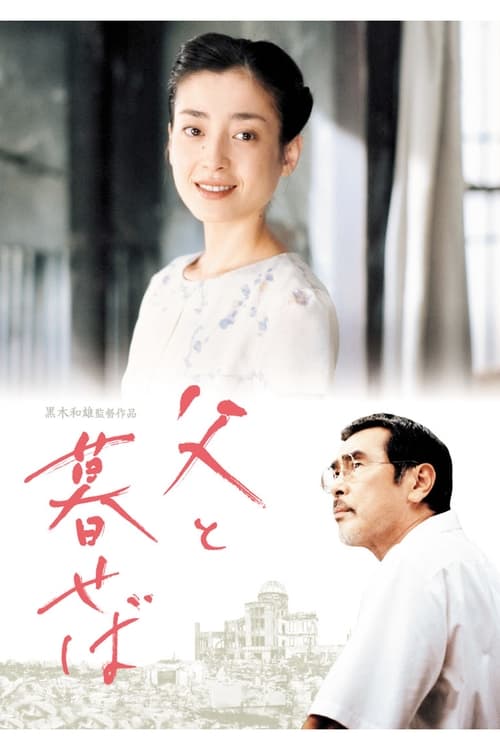
The Face of Jizo
2004
No user ratings available yet
Representation score: 5.7 out of 10
Representation Score
Fair
1988
Director
Kazuo Kuroki
Runtime
105 minutes
Average Rating
No ratings yetNew Showbiz Analysis
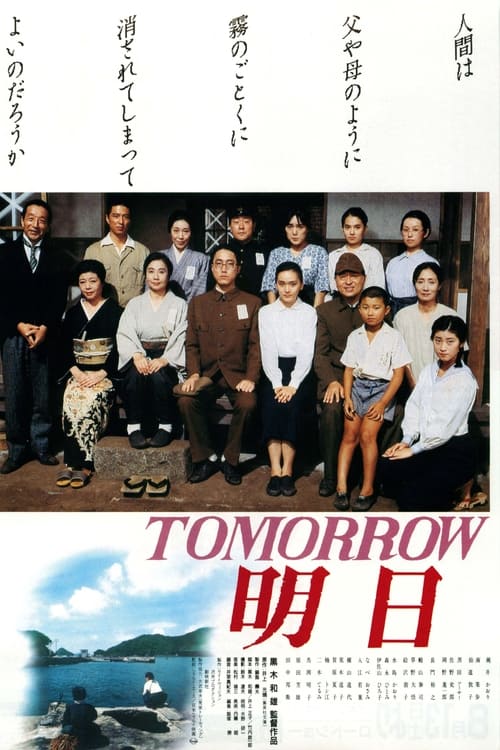
Kazuo Kuroki’s *Tomorrow* succeeds as a humanist drama by prioritizing domestic life over the mechanics of war. By focusing on the mundane joys and sorrows of Nagasaki residents, the film creates a powerful emotional contrast with the impending atomic bombing. The film excels in cultural authenticity and gendered interiority, providing a localized perspective that avoids typical war-movie clichés. It treats its Japanese characters with dignity, centering their personal aspirations against a backdrop of systemic destruction. However, the film lacks representation for LGBTQ+ identities and characters with disabilities. While these omissions are reflective of the 1945 setting, they limit the scope of the film's social diversity.
Category Breakdown
The film focuses on traditional romantic structures, such as newlyweds and lovers facing military separation. There are no depictions of non-straight or non-cisgender identities or narratives that question the assumption that everyone is straight or cisgender.
Women play a significant role in driving the story through characters like an expectant mother. The narrative centers their personal dreams rather than reducing them to background elements.
The film maintains high cultural authenticity by presenting a predominantly Japanese cast. It avoids a Western-centric viewpoint by focusing on the localized experience of the Nagasaki community.
The narrative portrays individuals as victims of overwhelming geopolitical forces. This focus on human drama interrupted by state military actions offers a nuanced critique of institutional stability.
There are no documented instances of characters with visible or invisible disabilities receiving significant narrative focus or serving as plot devices.
Present on Screen
Limited or Absent
Official Synopsis
On August 9, 1945, the Americans dropped an atomic bomb on Nagasaki. This film, based on a story by Mitsukaru Inoue, describes the daily life of people in Nagasaki the day before that fateful event. It presents the human drama of people's lives, and their feelings of joy and sadness. These include a newlywed couple, an expectant mother, and lovers who must say farewell because the boy is called to serve in the army. Each of these people, like others in the city, hoped to live with their dreams for ‘tomorrow’. But tomorrow never comes for them, as their lives are brought to an abrupt and unexpected end. Knowing how the story ends, in this case, doesn't detract from it at all; rather, it enhances the emotional impact, which is further heightened by the poignant musical score from Teizo Matsumura. 'Ashita' is the first film in Kazuo Kuroki's 'War Requiem Trilogy,' which also includes 'Utsukushii Natsu Kirishima' (2002) and 'Chichi to Kuraseba' (2004).
2004

1989
1991

1984
2015
1983
2016
1952
No reviews yet. Be the first to share your thoughts on this movie!
Use the rating form above to leave a star rating and optional review.