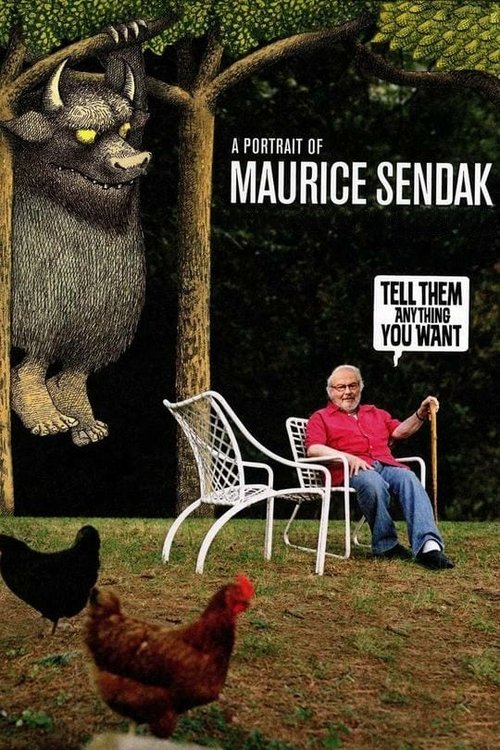
Tell Them Anything You Want: A Portrait of Maurice Sendak
2009
No user ratings available yet
Representation score: 8.0 out of 10

Representation Score
Fair
2015
TV-PGDirector
Matt Wolf
Runtime
36 minutes
Average Rating
No ratings yetNew Showbiz Analysis
This documentary is a specialized biographical portrait that prioritizes individual artistic legacy and personal memory. While it offers a platform for Knight to share his identity, the storytelling remains within the bounds of traditional Western biographical structures. The film succeeds in shifting the creative spotlight toward the illustrator, providing a nuanced look at artistic ability to act. However, it lacks the complexity needed to move beyond a standard, localized historical narrative. Ultimately, the work is a focused study of a specific cultural icon, resulting in a narrative that feels culturally homogeneous and centered on a specific Western literary canon.
Category Breakdown
The film serves as a biographical study that allows Hilary Knight to discuss his personal identity. However, the narrative lacks explicit depictions of same-sex intimacy or storylines centered around LGBTQ+ themes.
The documentary elevates the illustrator's role, shifting focus from the traditional author to the visual artist. It complicates traditional creative hierarchies by highlighting Knight's intellectual contribution to the Eloise legacy.
The portrait focuses on a homogeneous creative history within the mid-century New York literary scene. It lacks significant non-white representation or casting actors with diverse backgrounds.
The film explores nostalgia and the preservation of artistic legacy through a Western lens. It examines the intersection of art and commercial success without questioning traditional Western institutions.
The film provides no evidence regarding the portrayal of visible or invisible disabilities, neurodivergence, or chronic illness.
Present on Screen
Limited or Absent
Official Synopsis
This portrait of Hilary Knight, the artist behind the iconic Eloise books, sees him reflecting on his life as an illustrator and his relationship to his most successful work.
2009
2014
2014
2008
2002
2021
2017

2018
No reviews yet. Be the first to share your thoughts on this movie!
Use the rating form above to leave a star rating and optional review.