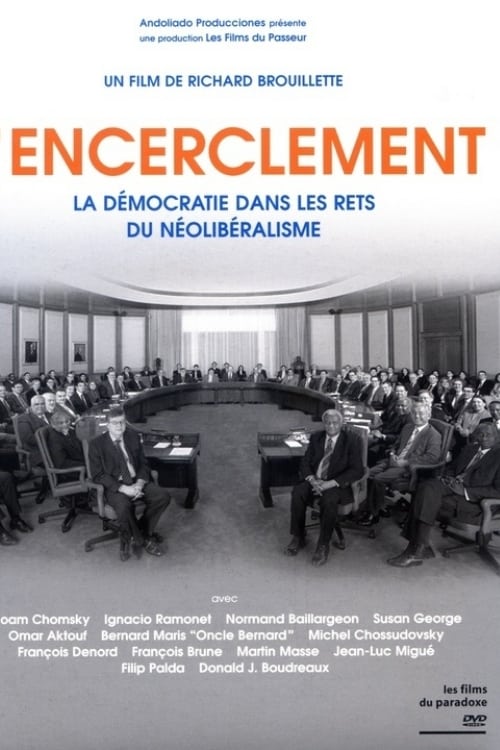
Encirclement - Neo-Liberalism Ensnares Democracy
2008
No user ratings available yet
Representation score: 5.5 out of 10

Representation Score
Fair
2015
Director
Rafael Valdeavellano, Carola Fuentes
Runtime
85 minutes
Average Rating
No ratings yetNew Showbiz Analysis
Chicago Boys is a specialized historical documentary that emphasizes systemic socio-economic analysis over individual identity representation. Its main strength lies in its cultural critique of neoliberalism and its provision of a Latin American perspective on global economic theories. While the film lacks diversity in terms of gender and LGBTQ+ identities, this reflects its specific focus on the male-dominated technocratic class of the 1970s. By centering the discontent of the Chilean populace, the documentary disrupts conventional narratives of economic triumph. Ultimately, the film serves as a critique of power and ideological imposition rather than a study of diverse personal identities.
Category Breakdown
The documentary focuses solely on macroeconomic policies and political history. It does not explore any non-straight-centered identities or character arcs related to sexual orientation or gender identity.
The film centers on a group of male economists, reflecting the male-dominated academic and political environment of the time. It highlights traditional masculine leadership in technocratic and military roles.
The documentary provides a platform for Chilean voices, offering a non-Anglo-Saxon perspective. It centers Chilean intellectuals to challenge standard Western-centric narratives of economic success.
The film offers a critical look at Western economic institutions and capitalist frameworks. It examines the tension between neoliberal ideology and the everyday experiences of the Chilean people.
The documentary focuses on macro-societal and institutional issues. It does not include individual character studies involving disability.
Present on Screen
Limited or Absent
Official Synopsis
The economists behind the implementation of the most extreme capitalist system in the world observe with surprise the discontent of its countrymen. For the first time, they tell the story of how they became Milton Friedman's students in Chicago in the 1950s and what were they willing to do to pursue their extreme economic ideas, aided by Pinochet's dictatorship in the 70s. Unseen images and testimonies that allow us to understand the historic process that transformed the Chilean people and Chile in the country that it is today, an image of success and discontent.
2008
2017
2017
2020
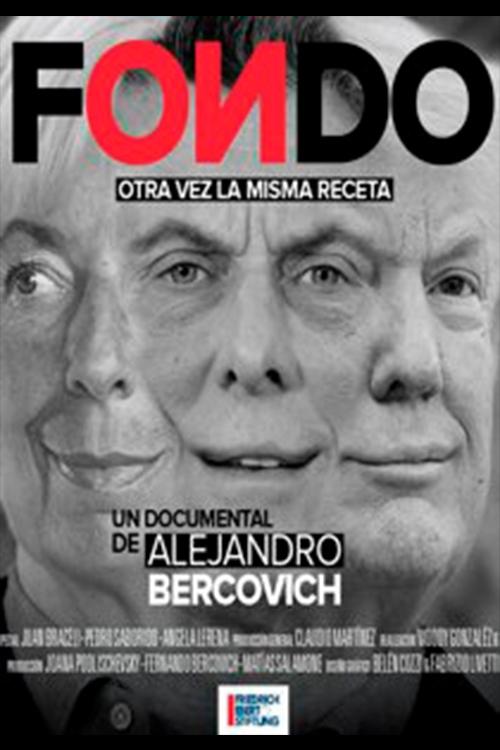
2019
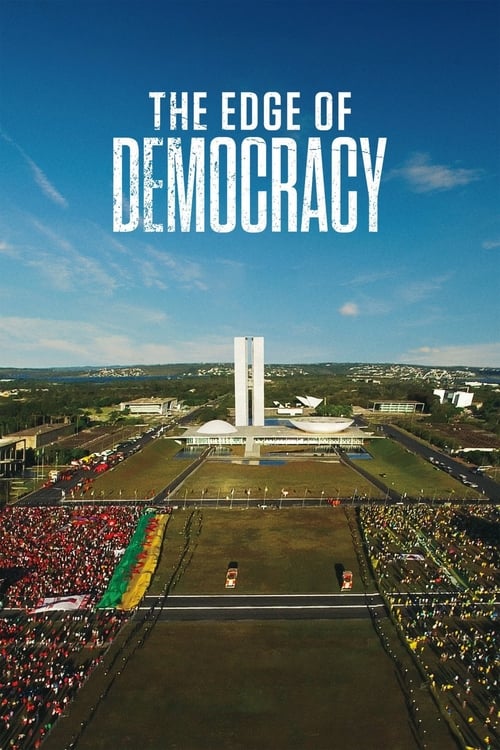
2019
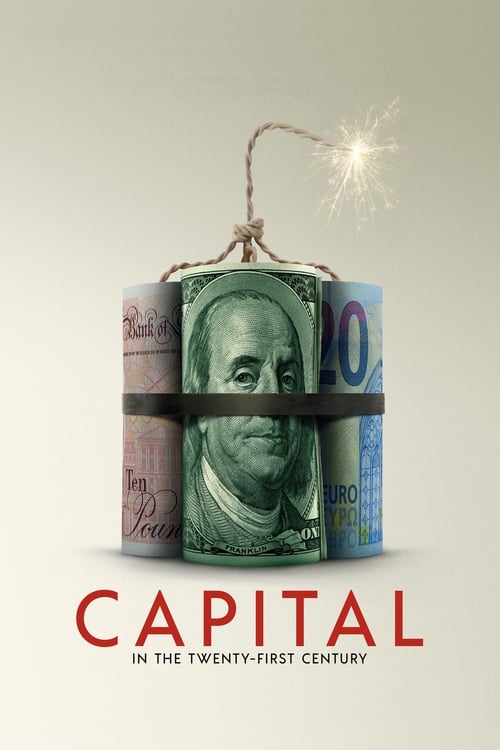
2019
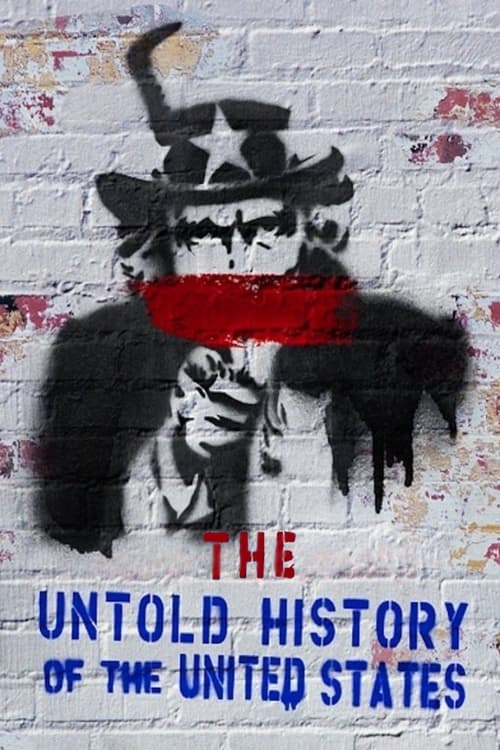
2012
No reviews yet. Be the first to share your thoughts on this movie!
Use the rating form above to leave a star rating and optional review.