Hank: 5 Years from the Brink
2013
No user ratings available yet
Representation score: 3.1 out of 10
Representation Score
Fair
2011
Not RatedDirector
David Sington
Runtime
78 minutes
Average Rating
No ratings yetNew Showbiz Analysis
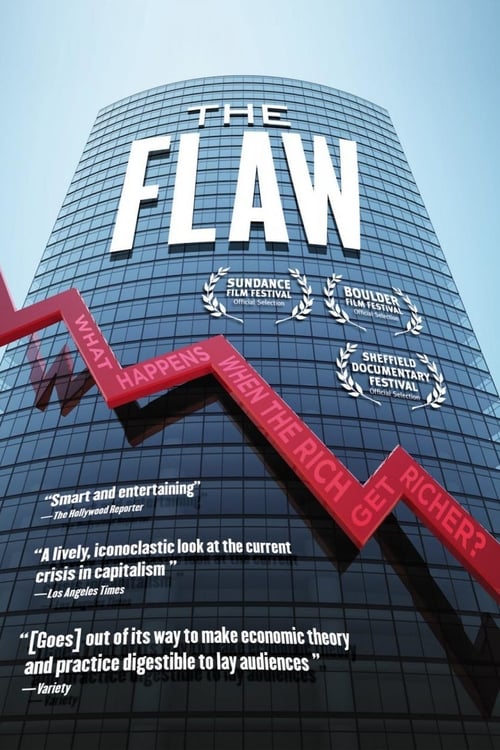
The Flaw serves as a systemic critique of the financial structures that led to the global crash. It prioritizes an intellectual deconstruction of institutional power over identity-based storytelling. While the film questions the morality of unchecked capitalism, it remains tied to traditional professional hierarchies. The documentary achieves its progressive value through cultural analysis rather than demographic variety. By framing the credit bubble as a fundamental flaw in Western institutions, it challenges the stability of the global economic social fabric. Ultimately, the film's diversity is found in its perspective. It moves away from celebratory views of capitalist success to focus on the destructive potential of high finance.
Category Breakdown
The film does not include any explicit evidence of LGBTQ+ characters or narratives centered around non-straight relationships.
The narrative centers on Wall Street insiders and leading economists, reflecting traditional professional hierarchies that have historically been dominated by men.
The documentary uses a global perspective to examine the systemic crisis, including international viewpoints like Andrew Luan, moving beyond a purely Anglo-centric view of finance.
The film provides a critical look at the institutional critique of global capitalism, highlighting the tension between systemic economic movements and individual stability through personal accounts of foreclosure.
The film does not provide specific information regarding the portrayal of visible or invisible disabilities.
Present on Screen
Limited or Absent
Official Synopsis
The story of the credit bubble that caused the financial crash. Through interviews with some of the world's leading economists, including housing expert Robert Shiller, Nobel laureate Joseph Stiglitz, and economic historian Louis Hyman, as well as Wall Street insiders and victims of the crash including Ed Andrews - a former economics correspondent for The New York Times who found himself facing foreclosure - and Andrew Luan, once a bond trader at Deutsche Bank now running his own Wall Street tour guide business, the film presents an original and compelling account of the toxic combination of forces that nearly destroyed the world economy.
2013
2009

2018
2011
2012
2010

2010

2012
No reviews yet. Be the first to share your thoughts on this movie!
Use the rating form above to leave a star rating and optional review.