
American Anarchist
2016
No user ratings available yet
Representation score: 3.8 out of 10

Representation Score
Fair
1983
Director
Steven Fischler, Joel Sucher
Runtime
75 minutes
Average Rating
No ratings yetNew Showbiz Analysis
Anarchism in America serves as a sophisticated deconstruction of traditional American political identity. It succeeds by centering the 'outsider' perspective, specifically through the lens of immigrant working classes challenging capitalist and state structures. The film excels in cultural and ethnic complexity, using archival footage and interviews to explore how various identities intersect with political ability to act. It effectively challenges the perceived stability of Western social orders. However, the documentary lacks explicit focus on LGBTQ+ narratives or non-traditional gender identities. Its scope remains primarily centered on class and political theory rather than identity-based social dynamics.
Category Breakdown
The documentary focuses on historical and ideological evolution rather than queer narratives. There is no discernible focus on non-traditional gender identities within the archival footage or interviews.
Women are portrayed as active participants in radical political movements. The film highlights their roles in the struggle for freedom rather than treating them as passive observers.
The film examines how Eastern European Jewish and Italian immigrants integrated into the anarchist tradition. This approach disrupts monolithic, Anglo-Saxon political narratives by centering the immigrant working class.
The narrative prioritizes anti-capitalist sentiment and the rejection of state authority. It uses the Dead Kennedys to frame anti-authoritarianism as a vital form of cultural expression.
Disability, neurodivergence, and chronic illness are not central to the narrative or character arcs presented in this work.
Present on Screen
Limited or Absent
Official Synopsis
A colorful and provocative survey of anarchism in America, the film attempts to dispel popular misconceptions and trace the historical development of the movement. The film explores the movement both as a native American philosophy stemming from 19th century American traditions of individualism, and as a foreign ideology brought to America by immigrants. The film features rare archival footage and interviews with significant personalities in anarchist history including Murray Boochkin and Karl Hess, and also live performance footage of the Dead Kennedys.
2016
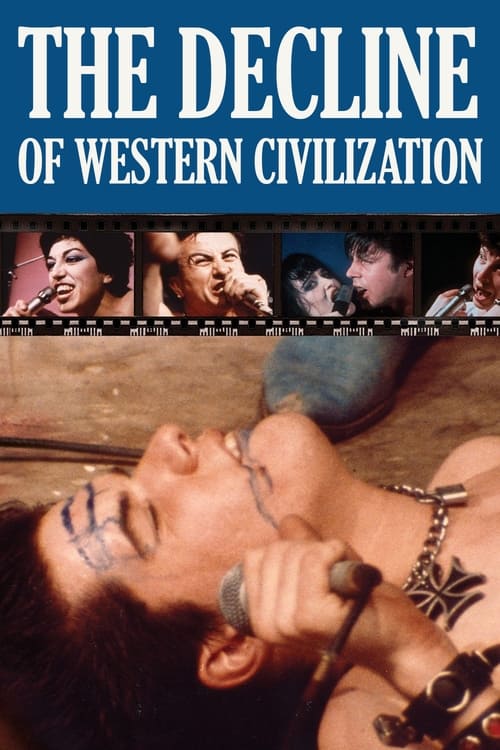
1981
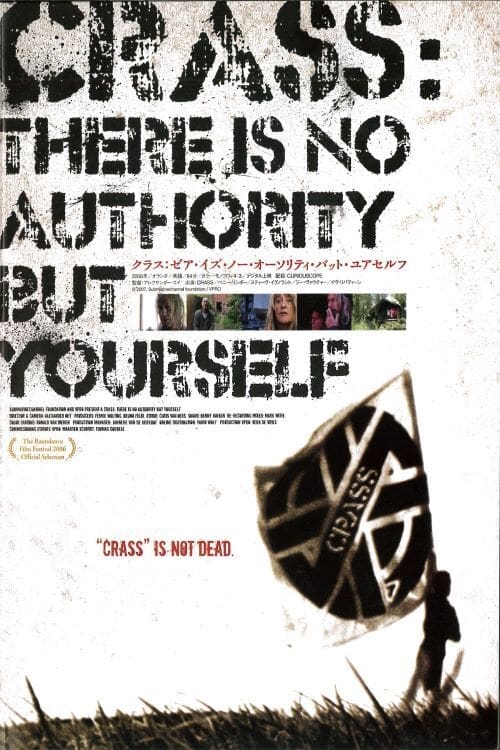
2006
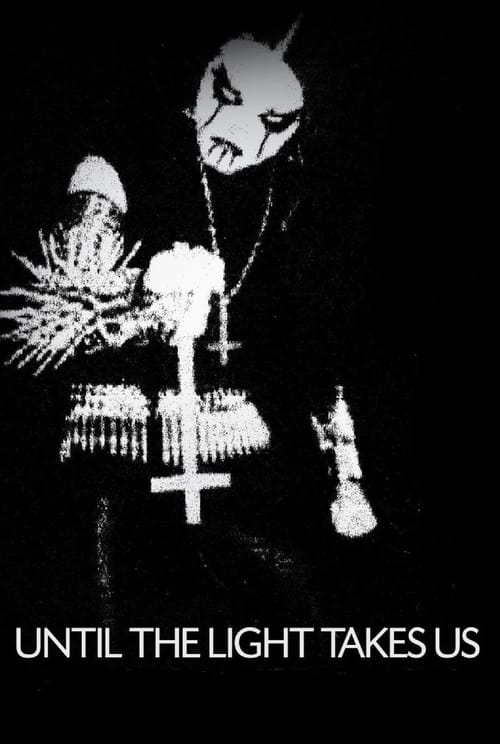
2008

2016
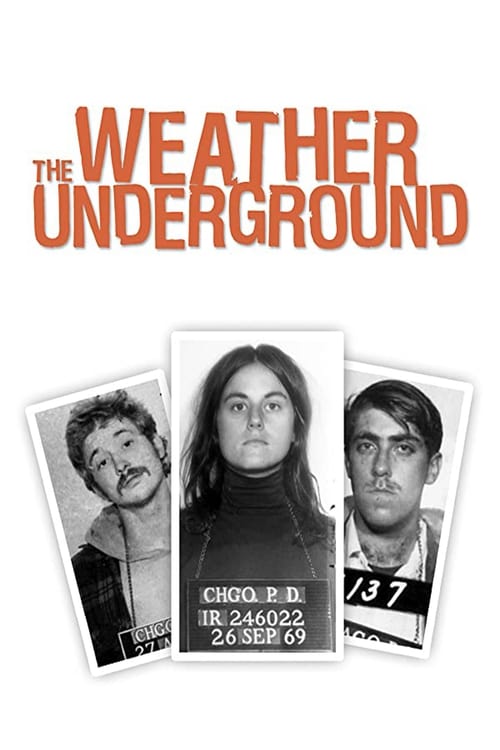
2002
2000

2007
No reviews yet. Be the first to share your thoughts on this movie!
Use the rating form above to leave a star rating and optional review.