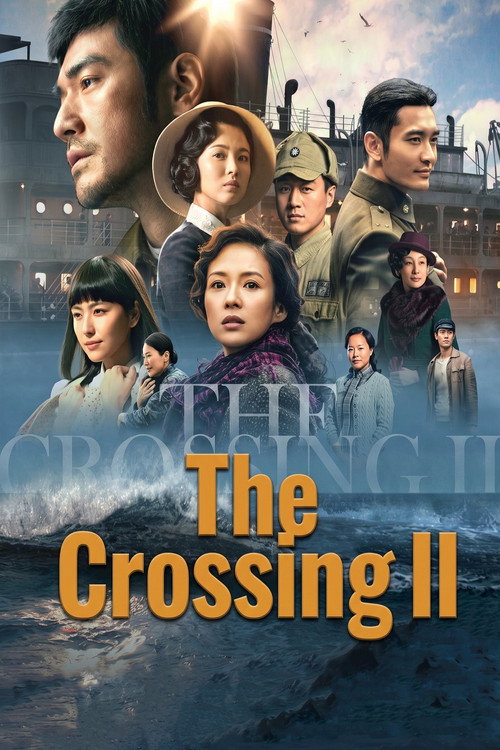
The Crossing II
2015
No user ratings available yet
Representation score: 3.2 out of 10

Representation Score
Limited
2014
Director
John Woo
Runtime
129 minutes
Average Rating
No ratings yetNew Showbiz Analysis
John Woo’s historical epic shines in its cultural authenticity, offering a localized, non-Western perspective on the Second Sino-Japanese War. With a predominantly East Asian cast, the film steers clear of common casting biases and captures the region’s historical complexity. However, the film remains tied to traditional hierarchies. The narrative emphasizes masculine struggles and the 'great man' theory of history, which restricts the roles of women and underrepresented groups. Characters frequently act as victims of historical forces rather than agents of change. Ultimately, the film operates as a classic tragedy. While it captures the scale of geopolitical upheaval, it lacks engagement with diverse identities or contemporary social nuances.
Category Breakdown
The film adheres to a traditional structure that assumes everyone is straight or cisgender. There is no romantic pairing or family bond that hints at LGBTQ+ identities or non-traditional gender roles.
The story centers around male soldiers and brotherhood. Women play important emotional roles, but their influence is often limited by the pressures of war and traditional gender roles.
The film features a predominantly East Asian cast that fits its historical context. It avoids whitewashing and provides a localized perspective on the intra-Asian conflict without a Western bias.
The story focuses on the moral dilemmas of survival rather than religious beliefs. It examines the collapse of traditional Chinese social structures through a tragic lens.
Characters face physical and psychological trauma as a result of war. These characters often serve as plot devices to highlight the brutality of the conflict, lacking autonomy and independence.
Present on Screen
Limited or Absent
Official Synopsis
At the end of the World War II and the middle of the Chinese Revolution, three couples from different backgrounds with different nationalities flee from China to the island of Taiwan.
2015
1985
1996

1950
1978
1995
2020
1961
No reviews yet. Be the first to share your thoughts on this movie!
Use the rating form above to leave a star rating and optional review.