
Sanmao Joins the Army
1992
No user ratings available yet
Representation score: 7.2 out of 10
Representation Score
Limited
1987
Director
Wang Tung
Runtime
96 minutes
Average Rating
No ratings yetNew Showbiz Analysis
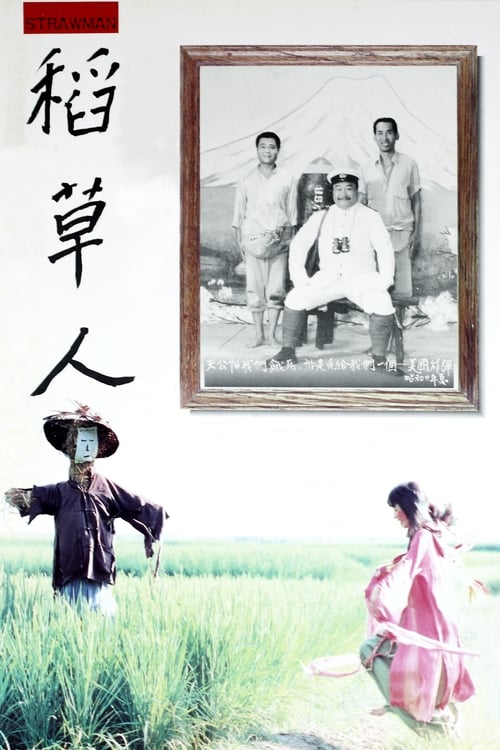
Strawman serves as a historical drama that explores global conflicts through a localized, non-Western perspective. By focusing on the everyday lives of 1940s Taiwan, the film provides a unique viewpoint often overlooked in broader geopolitical narratives. The film excels in its cultural and racial context, showing the tension between local subsistence and external imperial forces. However, it falls short in representing modern identity categories such as LGBTQ+ identities and disability. Ultimately, the work examines how underrepresented populations cope with the pressures of colonial rule, despite lacking contemporary diversity in these areas.
Category Breakdown
The film does not include any LGBTQ+ characters or stories. It focuses on the daily life of a traditional farming community.
The story centers around an impoverished farming village. There are no women characters who significantly influence the plot, suggesting the film adheres to traditional gender roles of the time.
The film offers meaningful representation of Taiwanese villagers during colonial times. The appearance of an American bomb highlights the interaction between local communities and foreign powers.
The story focuses on the struggles of underrepresented farmers during wartime. This emphasis suggests a critique of how global powers affect local traditions and ways of life.
There is no information available regarding the depiction of physically or neurodivergently disabled characters in this work.
Present on Screen
Limited or Absent
Official Synopsis
In 1940s Taiwan, during the last days of Japanese rule, an impoverished farming village is less concerned with colonial politics than with feeding their families. One day, an American bomb falls onto a field, where it lies unexploded.
1992
1988
1996
1959
1986

1997
1963
2016
No reviews yet. Be the first to share your thoughts on this movie!
Use the rating form above to leave a star rating and optional review.