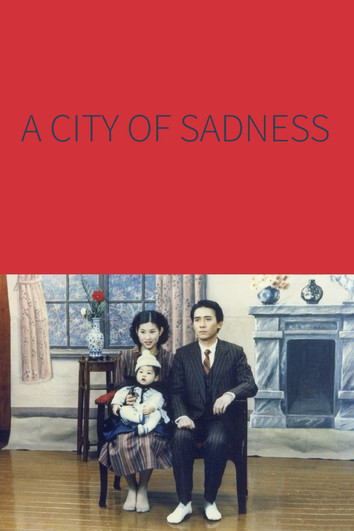
A City of Sadness
1989
No user ratings available yet
Representation score: 5.5 out of 10
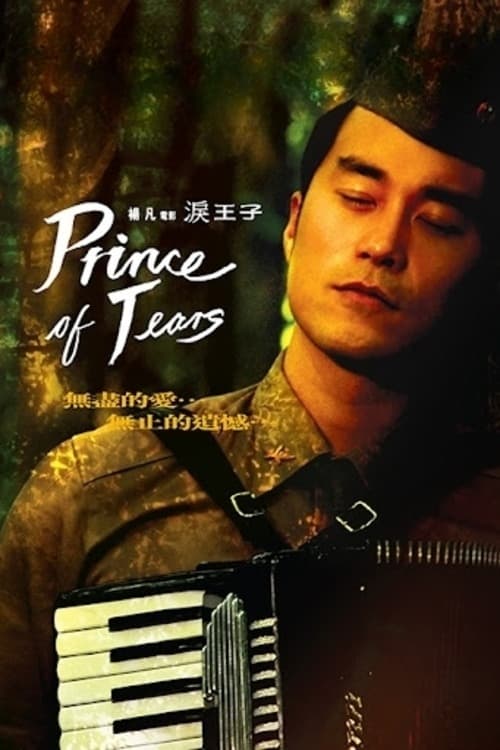
Representation Score
Fair
2009
Director
Yonfan
Runtime
122 minutes
Average Rating
No ratings yetNew Showbiz Analysis
Yonfan’s drama is a visually sophisticated period piece that excels in reclaiming a specific historical aesthetic. It uses the backdrop of 1930s Shanghai to create a culturally grounded experience that avoids the common pitfall of whitewashing. However, the film remains tethered to classical melodrama. While emotionally resonant, the narrative structure prioritizes atmospheric storytelling and nostalgia over the active deconstruction of social hierarchies or identity norms. Ultimately, the work functions as a classical exploration of loss. It succeeds in cultural immersion but lacks the subversive elements necessary to challenge traditional gender and romantic structures.
Category Breakdown
The film focuses on intense, stylized depictions of intimacy and emotional vulnerability. However, it adheres to conventional romantic clichés rather than using queer themes to challenge traditional assumptions about relationships.
The narrative relies on established period dynamics and traditional archetypes like the tragic hero. It lacks a systematic challenge to gender hierarchies, leaning instead into classical emotionality.
The production shows high intentionality regarding cultural authenticity. By centering a Chinese cast in 1930s Shanghai, it avoids whitewashing and provides deep, culturally specific immersion.
The story serves as a meditation on the decadence and decline of old Shanghai. It prioritizes subjective emotional truths over singular moralistic or religious frameworks.
There is no significant evidence regarding the portrayal of physical or neurodivergent disabilities within the narrative.
Present on Screen
Limited or Absent
Official Synopsis
A shameful period in Taiwanese history provides the backdrop for this emotional drama from writer and director Yonfan (aka Yang Fan). In 1949, in the wake of the 228 Incident (in which anti-government protesters launched a rebellion that was violently put down by authorities), Taiwan came under martial law, and through much of the 1950s brutal reprisals against suspected communists were commonplace. During the years of the "White Terror," thousand of supposed dissidents were killed, imprisoned or simply disappeared at the hands of the military police.
1989
1985
1995

1989
1996
2014
2018
1996
No reviews yet. Be the first to share your thoughts on this movie!
Use the rating form above to leave a star rating and optional review.