Not Wanted
1949
No user ratings available yet
Diversity score: 4.9 out of 10
1927
Director
Marcel L'Herbier
Runtime
120 minutes
Average Rating
No ratings yetSynopsis
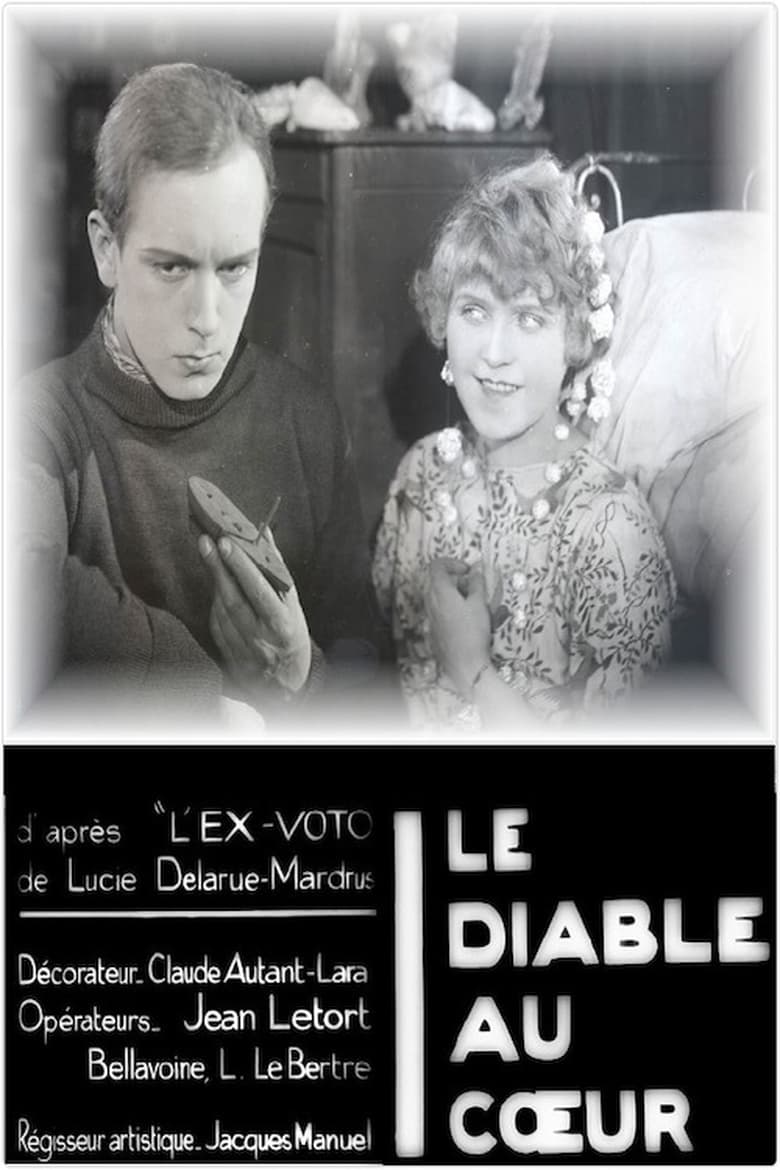
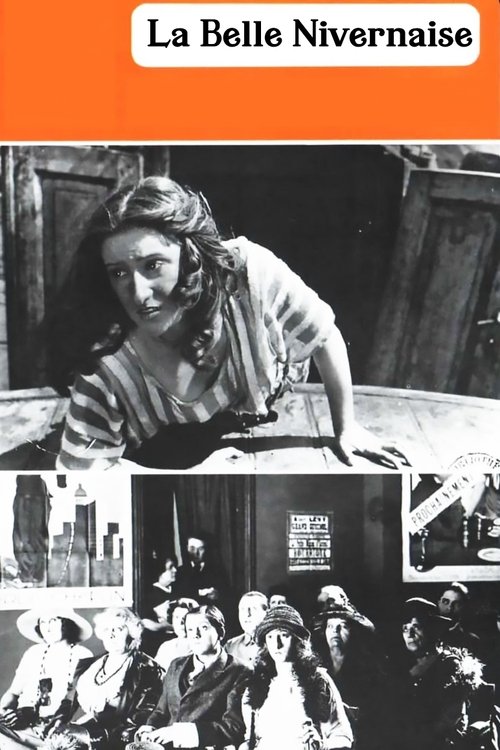
Ludivine, a lttle tomboy, takes on the too polite Delphin. Being caught, and punished, she wants him and his father to be dead. When the latter dies, she feels guilty and takes Delphin under her wing.
Overall Score
Fair
Category Breakdown
LGBTQ+ Representation
The film lacks explicit depictions of non-heteronormative identities or same-sex intimacy. While Ludivine's intense fixation on Delphin is psychologically complex, it does not provide clear evidence of intentional queer representation.
Gender Representation
Ludivine disrupts traditional hierarchies as a tomboy who drives the conflict. Her transition from destructive impulses to a protective role grants her significant agency, avoiding the era's common submissive feminine tropes.
Racial & Ethnic Diversity
The film appears to follow the homogeneous casting standards of 1928 French cinema. There is no evidence of racial blending or non-white casts used to challenge social norms.
Religious & Cultural Diversity
The narrative explores nuanced morality through a child's dark, anti-social impulses. This challenges the traditional Western idealization of childhood as a period of inherent purity and rigid moralism.
Disability Representation
There is no information available regarding the portrayal of physical or neurodivergent disabilities in this work.
Strengths
Areas for Improvement
AI Analysis
Marcel L'Herbier’s drama succeeds in subverting gendered expectations by centering a female protagonist with significant psychological agency. Ludivine’s character arc moves beyond the passive roles typical of early 20th-century cinema. However, the film is limited by the historical context of its era. It lacks racial diversity and provides no visible LGBTQ+ representation, reflecting the social norms of 1928 French production. Ultimately, the film is a psychological study that prioritizes complex emotional landscapes over traditional moralism, even if it lacks modern intersectional breadth.
1949

1959
1917

1930
1928
1934
1975
1934

1917

2002
1919
1924
No reviews yet. Be the first to share your thoughts on this movie!
Use the rating form above to leave a star rating and optional review.