
Home Before Dark
1958
No user ratings available yet
Diversity score: 2.5 out of 10

1971
PGDirector
Herbert Ross
Runtime
90 minutes
Average Rating
No ratings yetSynopsis
An enthusiastic young woman runs away to Chicago to start a new life. She is soon confronted with the emotional coldness of the big city and has to search for her place in the scheme of things.
Overall Score
Limited
Category Breakdown
LGBTQ+ Representation
The film lacks non-heteronormative identities or narratives. Conflicts are rooted in conventional courtship and sexual anxiety, offering no significant queer-coded subtext.
Gender Representation
The narrative explores the protagonist's struggle with masculinity and the pressure to perform as a stable husband. However, female characters largely operate within traditional social roles.
Racial & Ethnic Diversity
The production follows a homogeneous casting model. The cast is predominantly white, reflecting the era's cinematic norms without presenting a diverse ethnic landscape.
Religious & Cultural Diversity
The story focuses on middle-class social conformity and the psychological toll of societal expectations. It depicts a struggle to navigate existing structures rather than critiquing them.
Disability Representation
The protagonist's neurosis and social awkwardness are framed as comedic character traits. The film fails to provide an empowered depiction of mental health or disability.
Strengths
Areas for Improvement
AI Analysis
T.R. Baskin functions primarily as a character study of individual neurosis. It prioritizes psychological realism and the anxieties of a protagonist attempting to conform to early 20th-century social expectations. The film lacks systemic critique, focusing instead on traditional interpersonal dynamics. Its narrative scope remains tethered to established social hierarchies and conventional courtship patterns. While it offers a nuanced look at gendered pressures, the work remains largely homogeneous in its casting and cultural perspective, reflecting the cinematic norms of its time.
1958

1965

1973

2012

1964

1952

1956

1967
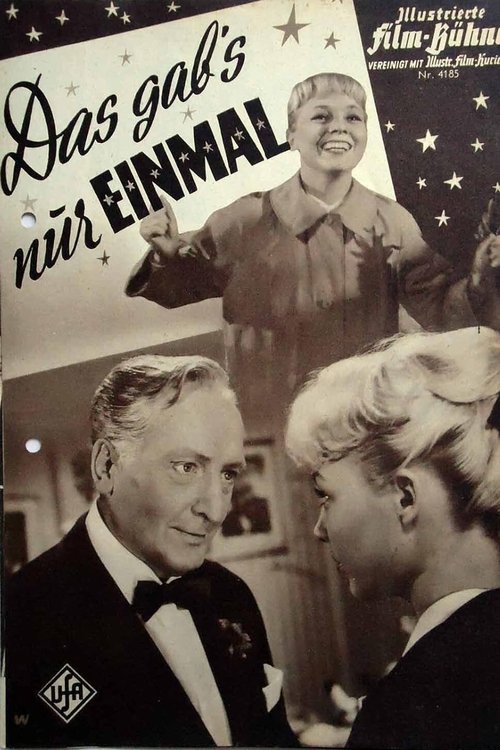
1958

1963
2010

1993
No reviews yet. Be the first to share your thoughts on this movie!
Use the rating form above to leave a star rating and optional review.